

Not all pain is loud. Some of it lives quietly inside us — shaping our reactions, relationships, and self-worth — without ever being named.
If you’re searching for a list of emotional wounds, you may not be looking for labels. You may simply be trying to understand why certain experiences still hurt, why some situations trigger you deeply, or why you feel stuck in emotional patterns you can’t explain.
This guide gently explains the most common emotional wounds, how they form, and how they often show up in adult life — without judgment or clinical language.
What Are Emotional Wounds?
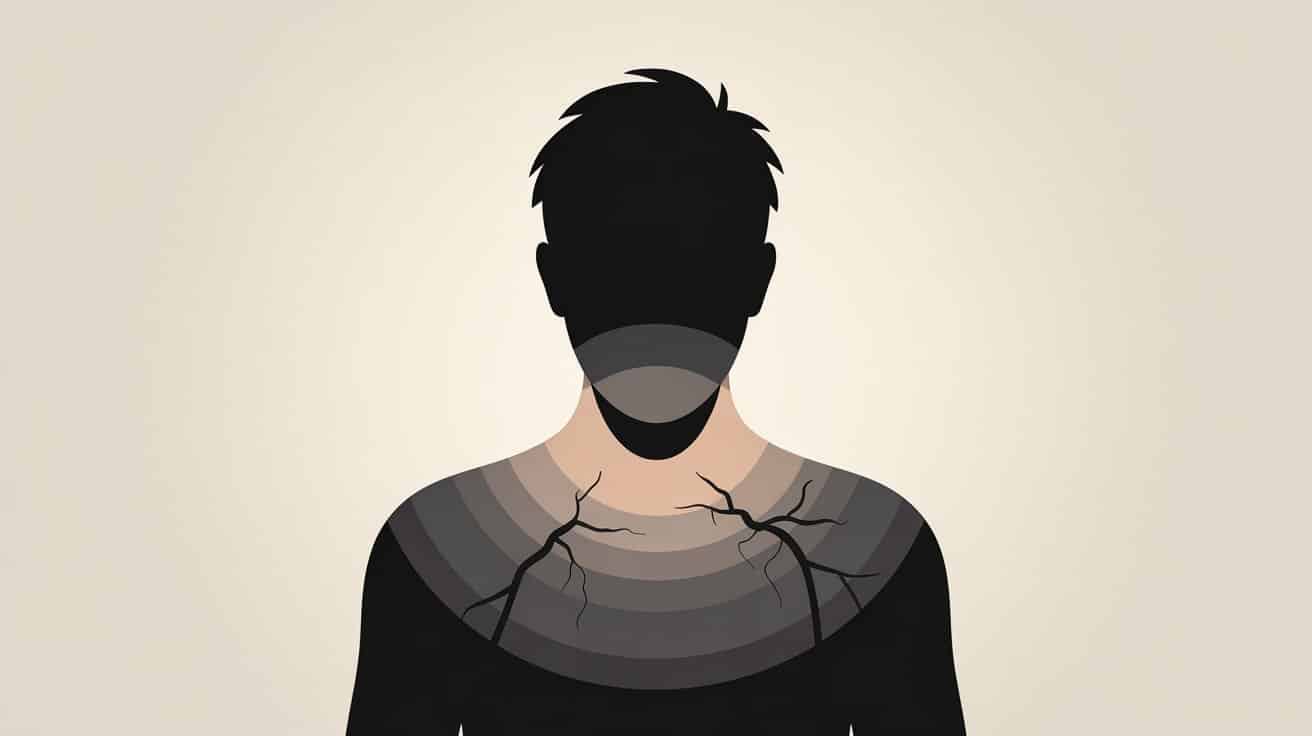
Emotional wounds are painful inner experiences formed through moments of loss, rejection, neglect, fear, or repeated invalidation.
Unlike physical wounds, emotional wounds are invisible. They don’t bleed, but they influence how safe, worthy, or connected we feel.
They often form early in life, but can also develop through adult experiences such as relationships, workplace stress, or sudden change.
Why Emotional Wounds Last So Long
Emotional wounds persist because they affect how we interpret the world.
When a wound forms, the mind tries to protect itself by creating beliefs like:
- “I’m not enough.”
- “People leave.”
- “I shouldn’t depend on anyone.”
- “My feelings don’t matter.”
Over time, these beliefs quietly shape behaviour, often without conscious awareness.
List of Common Emotional Wounds
1. Abandonment Wound
Forms when emotional or physical presence was inconsistent. Often leads to fear of being left and emotional dependence.
2. Rejection Wound
Develops from feeling unwanted or excluded. Can result in withdrawal, people-pleasing, or deep self-doubt.
3. Neglect Wound
Occurs when emotional needs were repeatedly ignored. May show up as numbness or difficulty asking for help.
4. Betrayal Wound
Forms when trust is broken by someone important. Often leads to control issues or difficulty trusting others.
5. Injustice Wound
Develops when emotions were dismissed or judged. Can result in perfectionism or emotional suppression.
6. Shame Wound
Forms through criticism or humiliation. Often leads to hiding true feelings or identity.
7. Loss Wound
Develops after significant emotional loss. May create fear of attachment or emotional withdrawal.
Many people recognise these patterns later in life, especially when facing recurring emotional challenges — a topic explored further in emotional challenges and inner patterns .
How Emotional Wounds Affect Adult Life
Unhealed emotional wounds don’t stay in the past. They influence:
- Relationship choices
- Conflict responses
- Career confidence
- Self-esteem
- Emotional regulation
Often, the same emotional situations repeat until the underlying wound is acknowledged.
Can Emotional Wounds Heal?
Healing does not mean forgetting what happened. It means changing how the experience lives inside you.
Healing often begins with:
- Awareness
- Emotional safety
- Compassion toward self
- New emotional experiences
According to psychological research, emotional healing involves creating new meanings around past experiences rather than erasing them.
Epistemic reference: American Psychological Association – Understanding Emotional Trauma
When Guidance Helps
Sometimes, understanding emotional wounds alone is not enough.
Guided conversations with a neutral, experienced listener can help connect past experiences with present patterns.
Many people find clarity through reflective support such as emotional mentoring and guided reflection , especially when they don’t want clinical therapy.
Frequently Asked Questions
Are emotional wounds the same as mental illness?
No. Emotional wounds are common human experiences and do not automatically indicate illness.
Can emotional wounds exist even if childhood was “normal”?
Yes. Emotional wounds can form from subtle or repeated experiences, not just major events.
How do I know which emotional wound I have?
Noticing recurring emotional patterns is often the first step.
Do emotional wounds ever fully disappear?
They often soften over time as understanding and emotional safety increase.
If you’re beginning to recognise emotional patterns and want gentle clarity, talking to a neutral, experienced mentor can help you organise what you’re feeling.
You don’t need to label yourself — just understand yourself better.
Talk to a MindHope mentor