
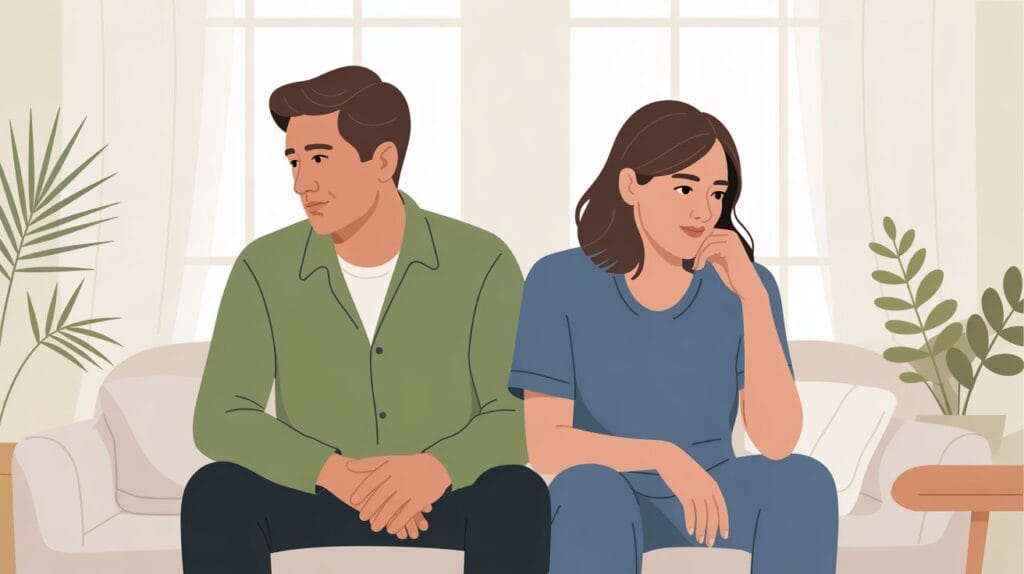
Many people enter marriage believing that love will naturally dissolve past pain. But for many couples, old hurts don’t disappear — they quietly settle into daily life.
If you’re asking “how do I heal past hurts in my marriage?”, you may be carrying unresolved pain from arguments, misunderstandings, broken trust, emotional neglect, or moments when you felt unseen or unsupported.
This question doesn’t mean your marriage is failing. It often means you care enough to want peace instead of silent resentment.
This guide explores why past hurts linger in marriage, how they show up in everyday interactions, and what healing can realistically look like — without blame, drama, or therapy-heavy language.
What Are Past Hurts in Marriage?
Past hurts in marriage are emotional wounds created by experiences that felt painful, unfair, dismissive, or unsafe — and were never fully processed or repaired.
These may include:
- Repeated arguments without resolution
- Harsh words spoken during conflict
- Feeling emotionally neglected
- Broken promises or trust issues
- Feeling taken for granted
Often, these hurts are not about one big incident, but about many small moments that accumulated silently.
Why Past Hurts Linger in Marriage

Past hurts linger because marriage is not just a partnership — it is an emotional attachment.
When pain happens within a close bond, the mind remembers it more strongly.
Many couples avoid revisiting hurtful moments because:
- They don’t want to reopen conflict
- They fear things will get worse
- They believe time alone will heal it
Unfortunately, unspoken pain doesn’t disappear. It often resurfaces as distance, irritability, or emotional withdrawal.
How Past Hurts Show Up in Everyday Married Life
Unhealed emotional pain rarely stays in the past. It shows up in subtle, everyday ways.
- Overreacting to small issues
- Emotional shutdown during discussions
- Keeping mental score of past mistakes
- Avoiding intimacy or vulnerability
- Feeling lonely even while together
Many couples misinterpret these signs as “falling out of love,” when they are actually signs of unresolved hurt.
How Do I Heal Past Hurts in My Marriage?
Healing does not mean forgetting what happened. It means changing how the pain lives between you now.
1. Acknowledge the Hurt Without Blame
Healing begins when pain is acknowledged calmly, without accusations or defensiveness.
2. Separate the Incident From the Intention
Many hurts are caused by unmet needs, not deliberate harm. Understanding this reduces emotional rigidity.
3. Create Emotional Safety First
Real healing conversations only happen when both partners feel safe — not judged or attacked.
4. Focus on Patterns, Not Single Events
Often the pain is about repeated emotional experiences, not one isolated moment.
5. Allow Time and Repetition
Healing in marriage is gradual. Trust rebuilds through consistent emotional experiences, not one conversation.
Many couples first become aware of these emotional patterns while exploring unresolved emotional wounds that quietly influence relationships.
Does Healing Require Both Partners?
Ideally, yes — but healing does not always start together.
Sometimes one partner becomes emotionally aware first. This can still create change by:
- Altering emotional responses
- Reducing escalation
- Improving communication tone
Change in one person often shifts the emotional dynamic of the relationship.
When Outside Guidance Helps
Some hurts feel too layered or emotionally charged to handle alone.
In such cases, neutral guidance can help:
- Slow down emotional conversations
- Clarify unspoken needs
- Reduce blame and defensiveness
- Restore emotional perspective
Many couples prefer reflective guidance such as emotional mentoring when therapy feels too clinical or intimidating.
According to relationship psychology research, emotional repair requires safety, validation, and new relational experiences.
Epistemic reference: American Psychological Association – Relationships & Emotional Repair
Frequently Asked Questions
Can a marriage heal after years of emotional hurt?
Yes. Healing depends on awareness, willingness, and emotional safety — not timelines.
What if my partner avoids talking about the past?
Start with understanding your own emotional responses before pushing for dialogue.
Is healing possible without counselling?
Some couples heal through awareness and guidance. Others benefit from structured support.
Does healing mean staying together?
Healing is about clarity and peace, regardless of outcome.
If you’re carrying emotional weight in your marriage and need clarity, talking to a neutral, experienced mentor can help you organise your thoughts and approach healing calmly.
You don’t have to rush healing — just begin it safely.
Talk to a MindHope mentor