
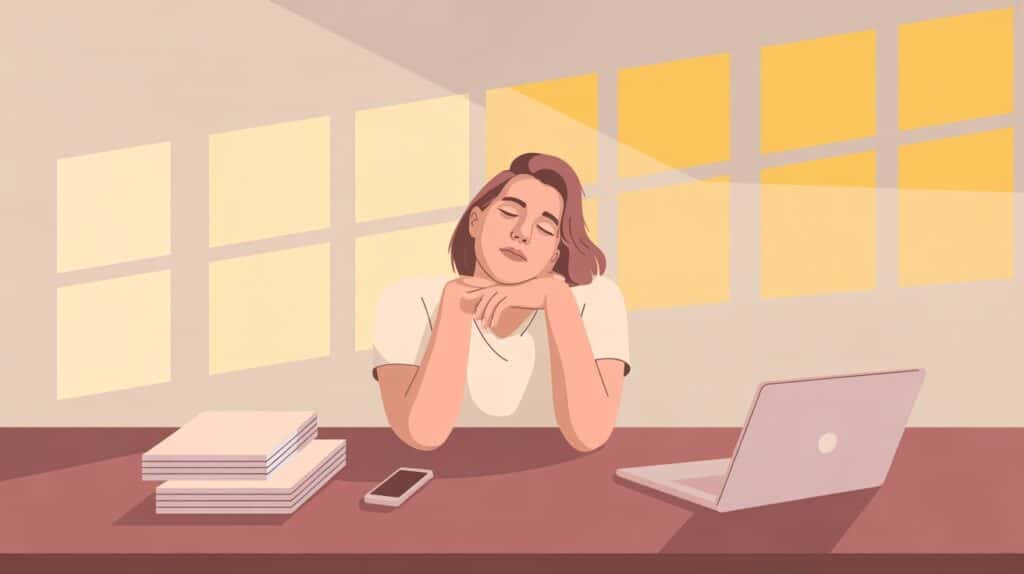
Most people recognise physical tiredness easily. You work all day, sleep, and your body slowly recovers.
But emotional exhaustion feels different. Even after rest, the mind still feels heavy.
If you are searching for signs of emotional exhaustion, you might be feeling mentally drained, overwhelmed, or emotionally distant from things that once mattered.
Emotional exhaustion is becoming increasingly common in modern life. Work pressure, relationship challenges, family responsibilities, and constant overthinking slowly consume emotional energy.
Understanding the early signs can help prevent deeper burnout and restore emotional balance before things feel unmanageable.
What Is Emotional Exhaustion?
Emotional exhaustion is a state where your emotional energy becomes depleted due to prolonged stress.
It does not appear suddenly. Instead, it builds slowly over weeks or months as the mind continuously deals with pressure without enough recovery.
People experiencing emotional exhaustion often describe it as:
- Feeling mentally drained
- Having very little patience
- Losing motivation for things they normally enjoy
- Feeling emotionally disconnected
It is often considered one of the earliest stages of psychological burnout.
Why Emotional Exhaustion Happens
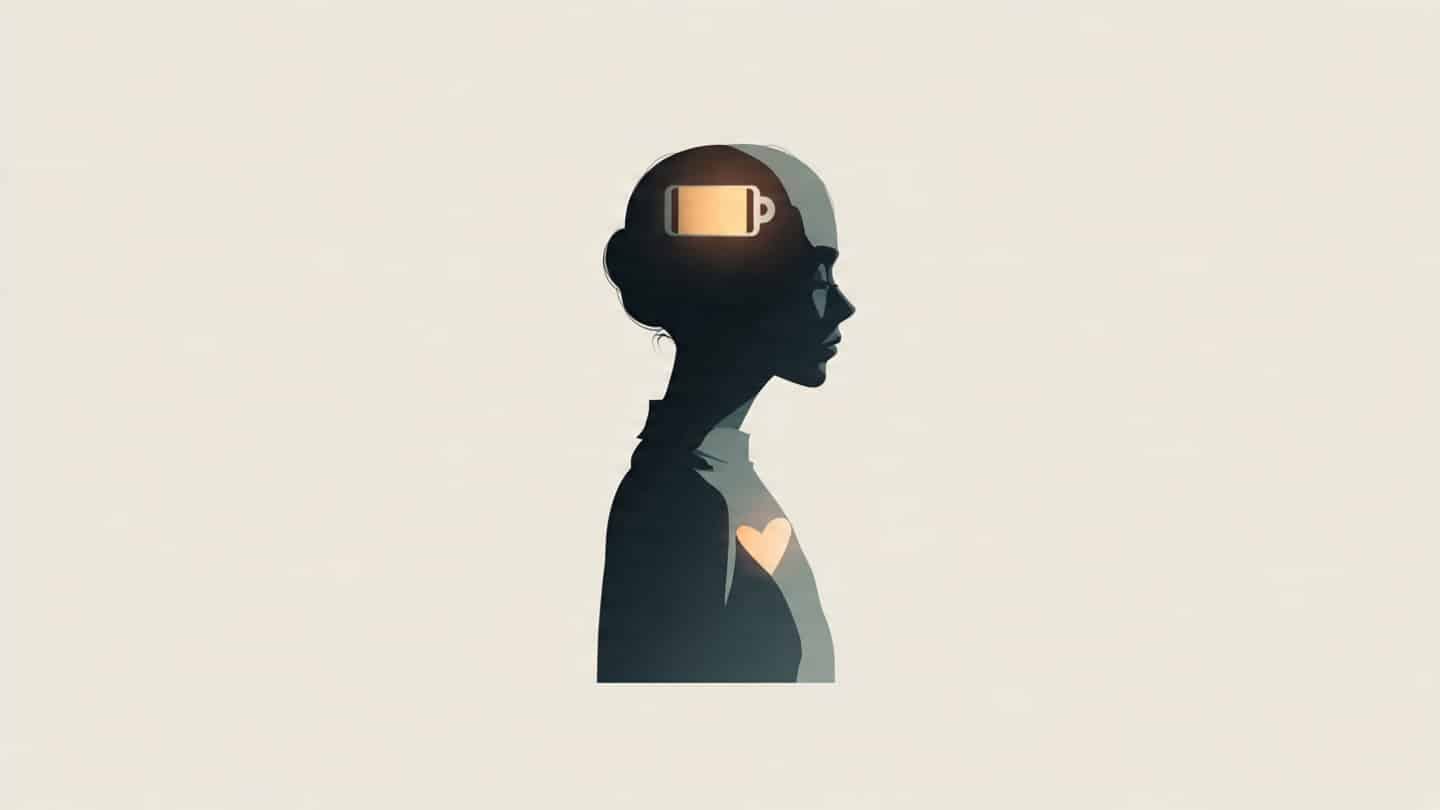
Emotional exhaustion usually develops when emotional demands exceed emotional recovery for a long time.
Some of the most common causes include:
- Chronic work stress or unrealistic expectations
- Relationship conflicts or emotional misunderstandings
- Caregiving responsibilities
- Financial uncertainty
- Constant overthinking about future outcomes
In many cases, people keep functioning normally while their emotional energy slowly declines.
Over time, this internal fatigue begins affecting mood, motivation, and concentration.
10 Signs of Emotional Exhaustion
1. Constant Mental Fatigue
Even small tasks start feeling mentally overwhelming. Your mind feels tired throughout the day.
2. Irritability Over Small Things
You may notice yourself reacting strongly to minor inconveniences. Patience becomes harder to maintain.
3. Lack of Motivation
Activities that once felt normal or enjoyable now feel exhausting or meaningless.
4. Difficulty Concentrating
Emotional exhaustion often makes focus difficult. Your mind may drift frequently during work or conversations.
5. Increased Overthinking
When emotional energy is low, the mind may enter repetitive thought cycles about problems or past events.
6. Feeling Emotionally Numb
Some individuals stop feeling emotions strongly and instead feel distant or disconnected.
Many people first recognise this while exploring topics like unresolved emotional wounds .
7. Avoiding Social Interaction
Talking with others may start feeling draining, leading to withdrawal from social situations.
8. Sleep Problems
Some people experience insomnia, while others sleep longer but still wake up feeling tired.
9. Loss of Emotional Resilience
Problems that once felt manageable may now feel overwhelming.
10. Physical Symptoms
Emotional exhaustion can also appear as physical fatigue, headaches, or muscle tension.
How Emotional Exhaustion Affects Daily Life
If emotional exhaustion continues for a long time, it can begin affecting multiple areas of life.
- Reduced productivity at work
- Difficulty maintaining relationships
- Loss of motivation and personal goals
- Feeling disconnected from life experiences
The mind begins shifting into a survival mode where conserving emotional energy becomes the priority.
According to the American Psychological Association , emotional exhaustion is strongly associated with prolonged stress and burnout.
How to Recover from Emotional Exhaustion
Recovery begins with recognising that emotional energy needs restoration just like physical energy.
Reduce Unnecessary Stress Sources
Identify areas in life where pressure can be reduced or boundaries can be established.
Create Regular Mental Breaks
Small pauses during the day allow the brain to recover from continuous cognitive demand.
Reconnect with Meaningful Activities
Gradually reintroducing activities that bring calm or satisfaction helps rebuild emotional energy.
Talk to Someone Neutral
Sometimes sharing emotional pressure with a neutral listener can provide clarity and reduce mental burden.
Many people explore supportive conversations through online relationship counselling or mentoring platforms when emotional stress begins affecting relationships and daily functioning.
Frequently Asked Questions
Is emotional exhaustion the same as burnout?
Emotional exhaustion is often considered one of the earliest components of burnout, but burnout usually includes additional factors such as reduced motivation and detachment from work.
Can emotional exhaustion go away on its own?
In some cases rest and lifestyle adjustments help, but persistent emotional exhaustion may require deeper reflection and support.
Is emotional exhaustion common today?
Yes. Modern lifestyles with constant demands, digital stimulation, and high expectations contribute to increasing emotional fatigue.
When should someone seek support?
If emotional exhaustion continues affecting sleep, relationships, or daily functioning, speaking with a supportive professional may help clarify the underlying stress.
If you feel emotionally drained or overwhelmed, talking to a calm and experienced mentor can help you organise your thoughts and regain emotional clarity.
Talk to a MindHope mentor