
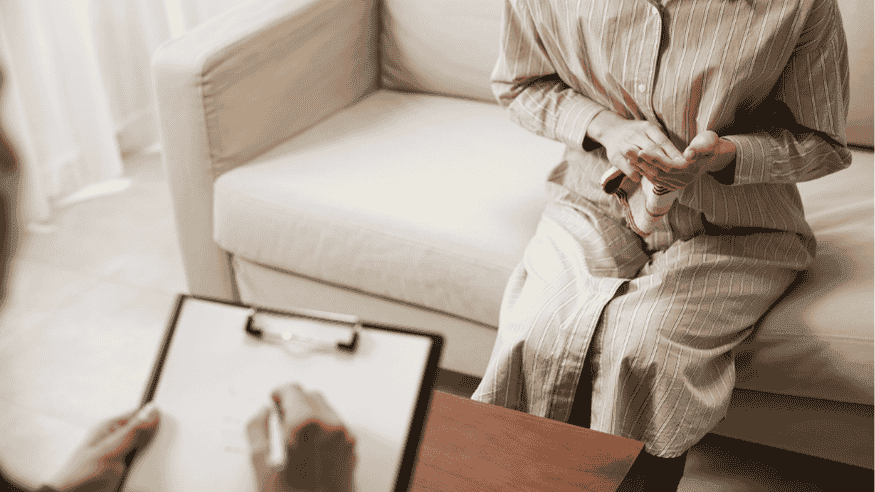
Anxiety isn’t always a disorder or a symptom of poor mental health. It’s a natural mental state that everyone experiences at some point.
Today, anxiety is more common than many of us realize.
About 4.4% of the global population currently experiences an anxiety disorder at any given time. That means millions of people around the world know what it feels like to carry worry, fear, or constant tension throughout the day.
If you’re reading this, maybe you’ve felt anxious too—and therapy isn’t always an option. But don’t worry: there are simple, everyday ways you can learn how to deal with anxiety and stay worry-free in your daily life.
In this post, we’ll guide you on how to cope with anxiety using some effective practices on your own when you can’t take therapy.
How to Deal with Anxiety without Taking Therapy?
Learning how to deal with anxiety on your own can feel overwhelming, but small steps can make a real difference. When therapy isn’t an option, the goal is to build simple daily habits that help you feel safer, calmer, and composed. These habits will make you more confident and less anxious over time.
Here’s how to cope with anxiety using some gentle practices;
Practice Slow, Deep Breathing
Slow and mindful breathing helps your body shift out of panic mode. Taking a few minutes each day to breathe deeply can reduce tension, calm racing thoughts, and make anxious moments feel easier to manage.
Build a Simple Daily Routine
A well-balanced routine brings stability, especially on stressful days. Consistent sleep, meals, activities, and breaks support your mental health and wellbeing, making your mind feel less chaotic and more balanced.
Reduce Information Overload
Constant news, notifications, and social media noise can increase anxiety and mental overload. Limiting screen time, especially before bed, creates mental space and keeps you from absorbing unnecessary stress.
Use Grounding Techniques
While learning how to deal with depression and anxiety, grounding helps bring your mind back to the present. Touching objects, naming things around you, or focusing on one sensory detail can instantly ease tension.
Stay Physically Active
Consistent physical movement releases endorphins, which naturally lift your mood. Even a short walk, light stretching, yoga, or dancing to a favorite song can help reset your mind and body when anxiety feels heavy.
Talk to Someone You Trust
Talking to a friend, family member, or your loved ones can make you feel understood. Sharing even a little can reduce emotional pressure and also help with how to deal with social anxiety in safe, comfortable ways.
Journal Your Thoughts
Writing things down in a diary or a personal note lets you release what’s stuck in your mind. Journaling helps you identify triggers, understand patterns, and express feelings that you may find difficult to say out loud.
Try Simple Self-Help Tools
Apps, videos, and online resources can be helpful when therapy isn’t accessible. These tools can support emotional balance and offer gentle techniques that complement mental health treatment approaches.
When Should You Take Therapy for Anxiety?
Understanding how to deal with depression and anxiety on your own is helpful, but sometimes expert help becomes necessary. Therapy can guide you when anxiety starts affecting you in ways you can’t manage alone.
You should take professional therapy for anxiety when;
It Affects Your Daily Life: If anxiety makes simple tasks feel difficult, or you constantly feel worried, therapy can help you regain control.
You Can’t Manage Stress Alone: If stress keeps increasing despite trying coping methods, therapy can help with stress management.
You Start Feeling Depressed: When you start experiencing signs of depression along with anxiety, taking therapy becomes crucial.
Physical Symptoms Keep Growing: Frequent headaches, fatigue, or sleep issues indicate that you may need professional guidance.
Social Withdrawal Increases: If you begin to avoid social spaces or interactions, therapy can help you understand how to deal with social anxiety.
Emotions Feel Overwhelming: If emotional ups and downs bother you too much, therapy helps stabilize feelings and control emotions.
Conclusion
Learning how to deal with anxiety without therapy is possible when you take small, steady steps toward building mental strength. Simple habits and mindful activities can help you feel calmer, grounded, and less anxious.
If you ever feel the need for guided support, MindHope is here to help you take the next step with confidence. Our expert-led resources and compassionate guidance help you improve overall well-being at your own pace. Connect with our mentors today and overcome anxiety with personalized support!
FAQs
Q. What are simple ways to reduce anxiety daily?
Deep breathing, small routines, and grounding exercises offer gentle support and help you learn how to deal with anxiety on your own.
Q. How can I handle anxiety during social situations easily?
Practicing gradual exposure, preparing conversations, and using calming techniques can help you understand how to deal with social anxiety.
Q. What if anxiety starts affecting my daily life?
While learning how to cope with anxiety can be helpful, it is ideal to seek expert guidance when it starts affecting your daily life.