

Nighttime can feel peaceful for some people. For others it can become the most emotionally difficult part of the day. After work ends, conversations slow down, and daily distractions disappear, many people suddenly become aware of feelings they managed to ignore during the day.
This experience is often described as night loneliness. It is the feeling of emotional isolation that becomes stronger during the late evening or night hours.
While occasional loneliness is part of human life, repeated feelings of isolation at night can affect mental wellbeing, sleep quality, and overall emotional health. Understanding why night loneliness happens and what helps can make it easier to cope with these feelings.
Understanding Night Loneliness
Loneliness does not simply mean being physically alone. A person can be surrounded by people and still feel emotionally disconnected.
Night loneliness usually happens because nighttime creates a quieter mental space. During the day the brain is occupied with work tasks, social interaction, commuting, or household responsibilities. Once those activities stop, thoughts and emotions that were previously ignored begin to surface.
According to the World Health Organization, loneliness and social isolation are increasingly recognised as public health concerns because they are linked to anxiety, depression, and sleep disturbances.
In India, changing lifestyles have also contributed to rising loneliness. Rapid urbanisation, migration for work, and long working hours often reduce opportunities for meaningful social connection.
Statistics on Loneliness in India
Several surveys suggest that loneliness is becoming more common among adults.
A national survey conducted by Indian Journal of Psychiatry reported that a significant number of young professionals in urban areas experience feelings of social isolation despite living in busy cities.
Another study by Cigna, which examined loneliness globally, found that more than 40 percent of adults reported feeling lonely sometimes or often.
Although loneliness can occur at any time of day, many people report that the feeling becomes more intense at night when distractions are limited.
Why Loneliness Feels Stronger at Night
Nighttime creates psychological conditions that can amplify emotional experiences.
Reduced distractions
During the day people remain busy with tasks and responsibilities. Work, commuting, and conversations keep the mind occupied.
When night arrives those distractions disappear. Without external stimulation the mind naturally begins to reflect on personal experiences, relationships, and unresolved emotions.
Increased emotional reflection
The human brain often processes emotional experiences during quiet periods. This is why many people find themselves thinking about past relationships, missed opportunities, or unresolved conflicts late at night.
Lack of social interaction
Many individuals spend evenings alone after work. Living away from family or working remotely can reduce opportunities for meaningful interaction.
Sleep related thought cycles
Fatigue can also influence emotional perception. When people feel tired they may become more sensitive to negative thoughts, which can make loneliness feel stronger.
Research on Nighttime Emotional Processing
Psychological research supports the idea that emotional experiences become stronger during quiet periods.
A study published in the Journal of Personality and Social Psychology found that loneliness is closely linked with nighttime rumination and negative thought cycles.
You can read the research here.
The study explains that when the brain is not engaged in active tasks, it tends to replay emotional memories and concerns. This mental process can intensify feelings of isolation during nighttime.
When Night Loneliness Becomes a Pattern
Occasional loneliness is normal. However, if these feelings appear frequently they can begin to affect mental health.
People experiencing regular night loneliness may notice:
- difficulty falling asleep
- constant overthinking before bed
- feeling emotionally empty or disconnected
- scrolling social media late into the night without feeling satisfied
- wishing for meaningful conversation or support
Over time these patterns can affect sleep and emotional balance.
Case Study: A Working Professional Experiencing Night Loneliness
Case example. Name changed for privacy.
Priya, 29, marketing professional in Bengaluru
Priya moved to Bengaluru for work after completing her postgraduate studies. During the day she enjoyed her job and stayed busy with projects and meetings.
However, evenings often felt different. After returning to her apartment she realised that most of her close friends lived in other cities.
Initially she spent her evenings watching shows or scrolling through social media. But over time she began noticing a sense of emptiness at night.
She often found herself thinking about past relationships, wondering whether she should move back to her hometown, or questioning her life choices. Sleep also became difficult. Priya would lie awake replaying conversations or imagining future scenarios.
After discussing these experiences with a friend she realised that what she was experiencing was night loneliness. Gradually she started creating a more structured evening routine. She also began scheduling regular calls with friends and family.
These small changes helped reduce the intensity of her nighttime loneliness.
Priya’s experience reflects what many young professionals in urban India face today.
Causes of Night Loneliness
Night loneliness can develop due to several emotional and lifestyle factors.
Living away from family
Many professionals move to new cities for career opportunities. While this provides independence, it may also reduce daily emotional support.
Changing social patterns
Digital communication has made it easier to stay connected online, but it does not always replace meaningful face to face interaction.
Relationship transitions
Breakups or distance from close friends can create emotional gaps that become more noticeable during quiet moments.
Work focused lifestyles
Long working hours may leave little time for social connection, which increases the likelihood of feeling isolated at night.
What Helps Reduce Night Loneliness
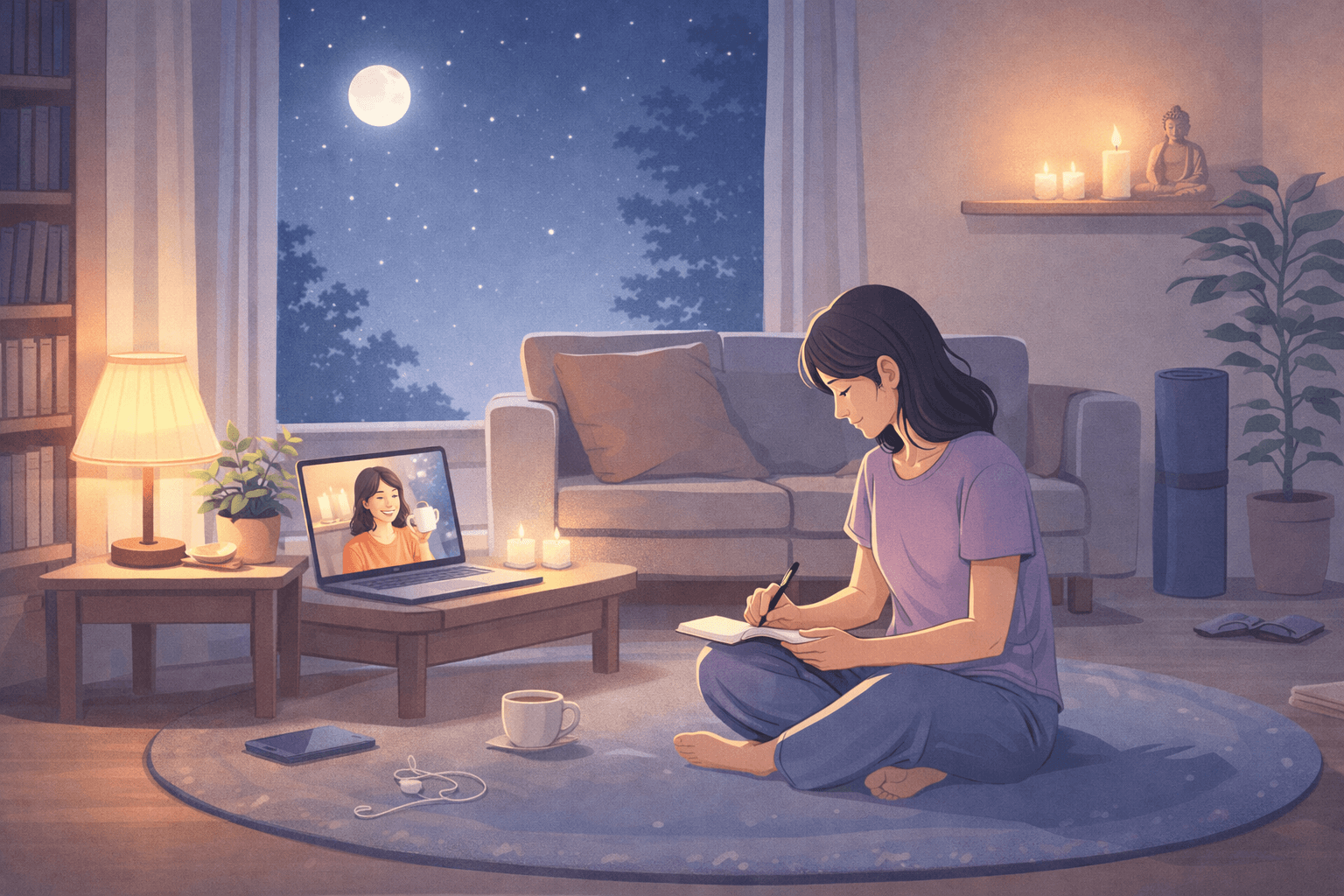
While loneliness can feel overwhelming, small lifestyle changes often help improve emotional balance.
Build a meaningful evening routine
Creating a predictable evening routine helps the mind transition into a calm state. Activities like reading, journaling, or light exercise can provide mental relaxation.
Stay connected with supportive people
Regular conversations with friends or family can reduce feelings of isolation. Even short conversations can provide emotional reassurance.
Limit late night social media use
While social media may feel like a quick distraction, it can sometimes intensify loneliness by encouraging comparison.
Engage in calming activities
Listening to music, practicing meditation, or spending time on creative hobbies can help the mind relax before sleep.
Explore personal reflection in a healthy way
Writing down thoughts or practicing mindfulness can help process emotions instead of allowing them to spiral into overthinking.
You may also find it helpful to read our blog on how to deal with emotional burnout, which discusses similar emotional patterns that often appear during quiet hours.
When Loneliness Requires Emotional Support
Sometimes night loneliness may indicate deeper emotional concerns such as anxiety, unresolved stress, or relationship challenges.
If feelings of loneliness continue for long periods or begin affecting sleep and daily functioning, it may help to talk with someone who can provide guidance.
Professional mentors or counsellors can help individuals explore their thoughts, understand emotional patterns, and develop healthier coping strategies.
You can also explore our article on managing overthinking and emotional stress, which explains how nighttime thoughts affect mental wellbeing.
Conclusion
Night loneliness is a common experience in modern life, especially for individuals living away from family or managing demanding work schedules.
While occasional loneliness is natural, repeated feelings of isolation during nighttime may indicate a need for emotional support and stronger social connection.
Understanding the causes of night loneliness can help people respond with healthier habits rather than ignoring their emotions.
Small changes such as building a calming evening routine, maintaining social connections, and practicing emotional reflection can make a meaningful difference.
Mental wellbeing grows stronger when individuals acknowledge their feelings and seek supportive conversations when needed.
If you often feel mentally exhausted or lonely during the night, remember that you do not have to deal with those feelings alone.
Sometimes a supportive conversation can help you understand what you are experiencing and find practical ways to cope.
If you feel mentally exhausted. A meaningful conversation can provide clarity and emotional support.
Talk to a MindHope mentor