
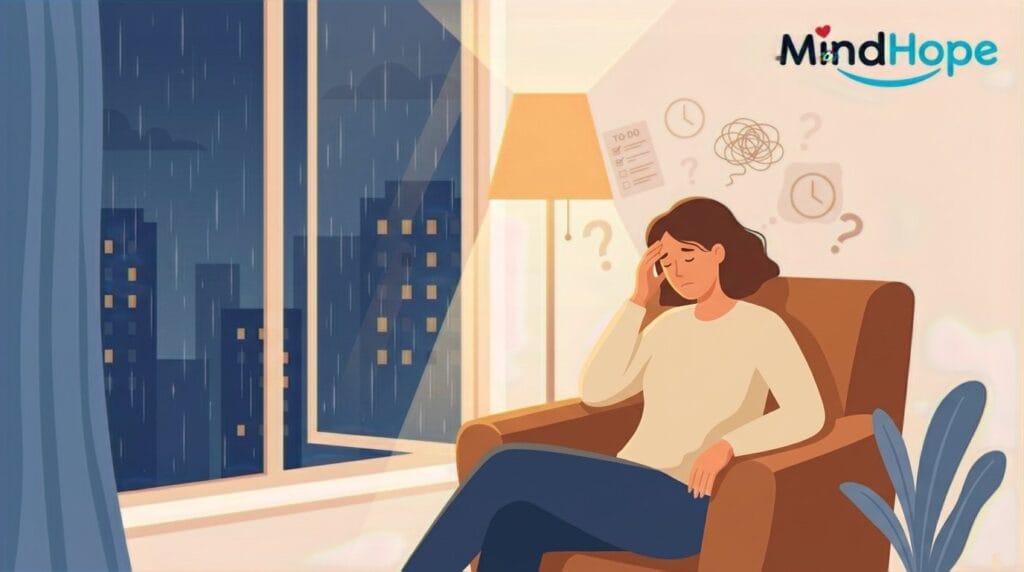
Stress has quietly become a normal, almost expected part of modern life. Between endless deadlines, demanding family responsibilities, complex relationships, and ever-present financial pressures, the weight we carry everyday adds up slowly. It happens so gradually that we often do not even notice the burden until our knees start to buckle.
Most people don’t realise how much stress they are carrying until it begins drastically affecting their sleep, their baseline mood, and their daily energy levels. We often trick ourselves into believing that being constantly "busy" or "exhausted" is simply the price of adulthood. This is a dangerous misconception. Surviving is not the same as thriving, and chronic exhaustion is not a badge of honor.
If you find yourself searching for answers and wondering when should you seek stress counselling, it usually means something inside you already feels significantly off. You are likely reading this because your mind and body are sending you warning signals.
And that awareness deeply matters. Stress rarely, if ever, disappears on its own just by ignoring it. It either gets actively managed, or it slowly builds into something heavier, like severe anxiety, clinical depression, or physical illness. Seeking help is not a sign of weakness; it is an act of profound self-awareness and strength.
When Is Stress Normal And When Is It Too Much?
Let’s start with a grounding fact: Stress is not inherently bad. In fact, a certain amount of stress is entirely normal and biologically necessary. It is your mind and body’s natural, evolutionary response to pressure or danger. Psychologists often refer to this positive stress as "eustress."
Short-term stress—like the nervous energy you feel before a major presentation, an exam, or a job interview—sharpens your focus. It triggers your "fight or flight" response, pumping adrenaline and cortisol into your system to help you perform at your peak. Once the event is over, your nervous system is supposed to regulate itself, returning to a calm, resting state.
The problem begins when the perceived "threat" never goes away. When stress shifts from an acute reaction to a chronic state of being, it becomes toxic. You are essentially leaving your body's engine revving in the red zone all day, every day.
You cross the line from normal stress to too much stress when it:
- Feels constant and unending: There is no light at the end of the tunnel, just another tunnel.
- Doesn’t reduce with rest: A weekend off or a good night's sleep no longer leaves you feeling refreshed.
- Starts altering your physiology: It disrupts your sleep architecture, digestion, and immune system.
- Makes small problems feel catastrophic: Dropping a pen or spilling coffee triggers a massive emotional breakdown.
At this critical point, stress becomes an ingrained neurological pattern—not a temporary reaction. Your nervous system forgets how to turn off.
Signs Stress May Need Support
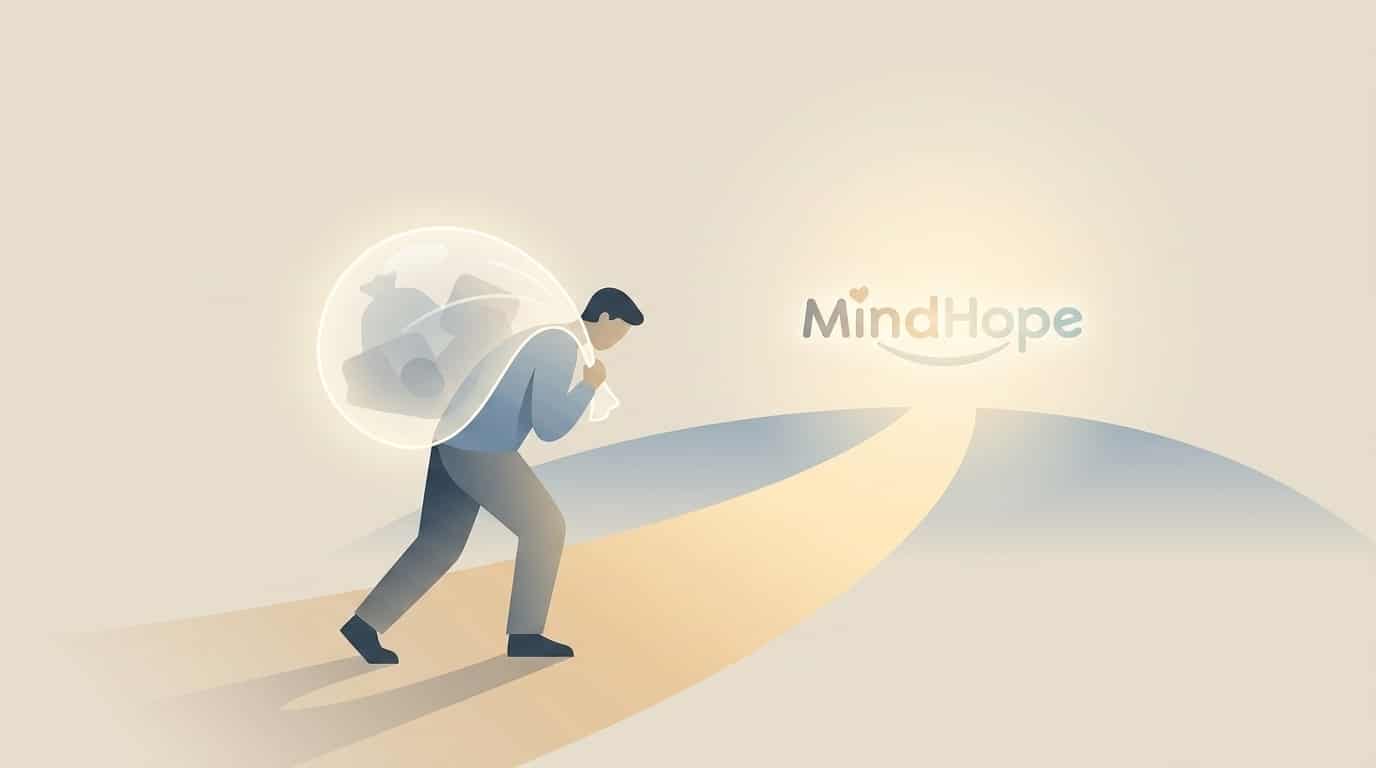
How do you know when you have crossed that line? The body and mind will always keep the score. Here are the clear, undeniable signs that your stress levels require professional intervention:
1. You Feel Mentally and Emotionally Drained (Burnout)
This isn't just physical tiredness; it is a profound cognitive fatigue. Your energy does not recover even after rest. You wake up feeling just as exhausted as when you went to bed. The passion you once had for your hobbies, your career, or even your friends feels entirely depleted.
2. Small Tasks Feel Unbearably Heavy (Decision Fatigue)
When your cognitive load is maxed out by stress, normal decisions feel overwhelming. Deciding what to eat for dinner, replying to a simple text message, or organizing your desk can feel like climbing a mountain. You may find yourself procrastinating on basic daily hygiene or chores simply because you lack the bandwidth to execute them.
3. Severe Sleep Problems
Stress and sleep have a bidirectional relationship; they heavily influence each other. You might experience racing thoughts that prevent you from falling asleep (onset insomnia), or you might wake up at 3:00 AM with a pounding heart and an inability to go back to sleep (maintenance insomnia). Alternatively, you might sleep for 10 hours and still feel entirely unrefreshed because the quality of your REM sleep is deeply compromised by high cortisol levels.
4. Chronic Overthinking and Rumination
Your mind is a runaway train. You constantly replay past mistakes or obsessively worry about future catastrophes that haven't happened yet. This mental looping consumes massive amounts of energy and keeps your nervous system trapped in a state of high alert.
5. Heightened Irritability and Uncharacteristic Anger
When your emotional reserves are drained, your tolerance drops to zero. You react intensely to minor inconveniences. You might find yourself snapping at loved ones, experiencing road rage, or feeling a constant, simmering frustration just beneath the surface.
If these signs resonate with you, it is vital to acknowledge them. You can start understanding these personal patterns using our self-help tools, which offer a great starting point for self-reflection.
Why Stress Feels So Much Worse Today
If you feel like you are struggling more than previous generations did, validate that feeling. It is grounded in reality. Stress today is fundamentally different from the stress of the past.
Historically, human stress was episodic: you faced a threat, you dealt with it, and you rested. Today, modern stress is characterized by its sheer inescapability.
- It is constant: The 24-hour news cycle ensures we are constantly bombarded with global crises.
- It follows you everywhere: Smartphones mean your work emails, social obligations, and financial notifications are in your pocket at all times. There is no physical boundary between "work" and "home" anymore.
- It continues even during rest: We engage in "doomscrolling" before bed, meaning our brains are processing high-stress information right when they should be powering down.
Work demands, social media comparison, and economic expectations never fully stop. We are asking our ancient, hunter-gatherer nervous systems to process a modern, digital world. That is exactly why people feel deeply tired even without doing an ounce of physical labor. Cognitive load is just as exhausting as physical load.
Types of Stress You Might Be Facing
To effectively treat stress, we must first identify its root. Stress is not a monolith; it comes in several distinct flavors, and many of us are dealing with a cocktail of them simultaneously.
Work and Career Stress
This involves unrealistic deadlines, toxic corporate cultures, fear of layoffs, and the pressure to constantly "hustle." It is the feeling of never being caught up, no matter how many hours you work.
Relationship and Family Stress
Interpersonal conflicts take a massive toll. This includes marital issues, the demands of parenting, caring for aging parents, or navigating toxic friendships. Emotional gaps and poor communication foster a uniquely painful type of chronic stress.
Financial Stress
Money-related worries are among the most debilitating. Inflation, mounting debt, housing insecurity, and the fear of an unexpected emergency expense can keep you in a constant state of survival panic.
Internal Stress (The Inner Critic)
Sometimes, the call is coming from inside the house. Internal stress is fueled by perfectionism, imposter syndrome, unrealistic self-expectations, and a harsh inner critic. You stress yourself out by demanding absolute flawlessness in an inherently flawed world.
Hidden Effects of Long-Term Stress
What happens when we just "push through" and ignore our stress for years? The damage goes deep, affecting systems we cannot see. Chronic stress silently erodes our well-being.
Psychologically, chronic stress significantly damages:
- Focus and Memory: High cortisol shrinks the hippocampus, the part of the brain responsible for memory and learning. You become forgetful and easily distracted.
- Relationships: Exhaustion breeds resentment. You withdraw from loved ones because socializing feels like another chore.
- Motivation: Your drive disappears. Goals you once cared deeply about feel pointless.
- Confidence: Constant overwhelm makes you doubt your own competence and self-worth.
Physiologically, the toll is just as real. According to the American Psychological Association (APA), chronic stress is linked to a host of physical health issues, including high blood pressure, weakened immune response, digestive issues (like IBS), and an increased risk of cardiovascular disease. Your mental health is your physical health; they cannot be separated.
Early Signs People Often Ignore
We are taught to ignore the whispers of our body until they become screams. Before a major burnout or breakdown, your mind will give you early warning signs. Unfortunately, society often normalizes these red flags.
- Constant, low-grade tiredness: Relying on 4 cups of coffee just to feel "normal."
- Apathy and low interest: A general sense of "meh" about things you used to love.
- Frequent tension: Unexplained headaches, jaw clenching (bruxism), or tight shoulders.
- Feeling mentally overloaded: Feeling like your brain has too many tabs open and is about to crash.
These are not small issues to be brushed aside. They are your body’s check-engine light. Ignoring them guarantees a breakdown later.
The Emotional Side of Stress
We often view stress as purely logistical—too much to do, too little time. But stress is deeply emotional. Behind the massive to-do list is a complex web of feelings that we rarely vocalize.
- Unspoken feelings: Swallowing your anger or sadness to "keep the peace."
- Fear of failure: The terrifying thought that if you drop one ball, your whole life will collapse.
- Comparison: Looking at peers on social media and feeling like you are falling hopelessly behind.
- Guilt: Feeling guilty for working too much, then feeling guilty for resting.
These unexpressed emotions silently, but aggressively, increase your mental load. Counselling provides a safe space to unpack these specific emotions.
Understanding The Stress Cycle
Why does it feel so hard to escape? Because untreated stress operates in a self-reinforcing loop.
- Pressure increases: A new demand is placed on you.
- Mind overloads: Your cognitive bandwidth is exceeded. You feel anxious.
- Sleep reduces: Anxiety ruins your sleep quality.
- Performance drops: Because you are exhausted, you make mistakes or work slower.
- More pressure builds: Your mistakes or delays create new stressors and a backlog of work.
This vicious loop continues indefinitely unless it is actively broken. You cannot just "wait" for the cycle to end; it requires an intervention—often a professional one—to jam a stick in the spokes of the wheel.
Why We Unfairly Ignore Our Own Stress
If stress is so painful, why do we wait so long to get help? The answer lies in human psychology and societal conditioning.
People often talk themselves out of getting help by thinking:
- “Everyone is stressed. This is just how life is.” (False. While stress is common, chronic suffering is not mandatory.)
- “Other people have it much worse than me. I shouldn't complain.” (Pain is not a competition. Your overwhelm is valid regardless of someone else's trauma.)
- “This will pass once this project/season/year is over.” (It rarely does. The stressor changes, but the stress response remains.)
- “I am strong enough to handle it alone.” (Strength is knowing when you need a team. A solitary pillar cracks under too much weight.)
Ignoring stress does not make you resilient; it simply makes the stress stronger and more entrenched in your nervous system.
The Role of Self-Help Tools
Before jumping into therapy, or in conjunction with it, self-awareness is the crucial first step. You cannot fix an enemy you do not understand.
Self-help tools, journaling, and mindfulness practices help you identify:
- Specific stress triggers: Is it a specific person, time of day, or type of task?
- Behavioral patterns: Do you stress-eat, isolate yourself, or doomscroll when overwhelmed?
- Your emotional load: Naming the exact emotion (e.g., feeling "unappreciated" rather than just "stressed").
While self-help is wonderful for maintenance and awareness, it often isn't enough to rewire deep-seated nervous system dysregulation. That is where a professional comes in.
How Stress Counselling Actually Helps
There is a misconception that counselling is just "paying someone to listen to you complain." In reality, effective stress counselling is a highly structured, evidence-based process designed to rewire how your brain handles pressure.
Professional counselling helps you:
- Understand stress clearly: A therapist helps you untangle the mess of thoughts in your head, separating facts from anxiety-driven fiction.
- Reduce mental overload: You will learn Cognitive Behavioral Therapy (CBT) techniques to challenge the catastrophic thoughts that fuel your panic.
- Improve emotional clarity: You gain a safe, unbiased space to vocalize your fears without judgment or consequence.
- Build better coping patterns: Instead of drinking, scrolling, or lashing out, you learn actionable tools—like boundary setting, assertiveness training, and somatic regulation techniques—to process stress healthily.
At MindHope, our specialized stress counselling is designed to meet you exactly where you are, providing practical tools to reclaim your peace of mind.
When You Should Make the Decision to Seek Help
You do not need to wait for a complete mental breakdown to justify seeking therapy. Therapy is preventative maintenance for your brain.
You should definitively seek help when:
- Stress feels like a constant hum in the background of your life.
- It is actively damaging your relationships, career, or physical health.
- You feel mentally tired often, regardless of how much you rest.
- You have tried self-help, meditation, or "taking a break," but nothing has fundamentally changed.
Early support is infinitely easier, faster, and cheaper than late-stage recovery. Do not wait for the engine to blow out before taking the car to the mechanic.
Frequently Asked Questions
When exactly should I seek stress counselling?
You should seek stress counselling when your stress stops being a temporary reaction to a specific event and becomes a constant state of being. If your stress is interfering with your ability to sleep, work effectively, maintain healthy relationships, or enjoy life, it is time to seek professional support. Trust your gut—if you feel overwhelmed, you deserve help.
Is counselling only for serious trauma or severe stress?
Absolutely not. This is one of the most harmful myths about therapy. You do not need to be in absolute crisis to benefit from counselling. In fact, seeking early support for everyday chronic stress equips you with coping mechanisms that prevent serious burnout or clinical anxiety down the line. Therapy is for everyone who wants to improve their mental hygiene.
Does online stress counselling actually work?
Yes, numerous clinical studies have shown that online counselling is just as effective as in-person therapy for treating stress, anxiety, and depression. Many people actually find it more effective because it removes the stress of commuting, allows you to be in the comfort of your own safe space, and makes scheduling much more accessible.
If the weight of stress has been building up in your life, you do not have to carry it alone anymore. Reaching out is the first, most important step toward getting your life back.
Book Your Stress Counselling Session Today