
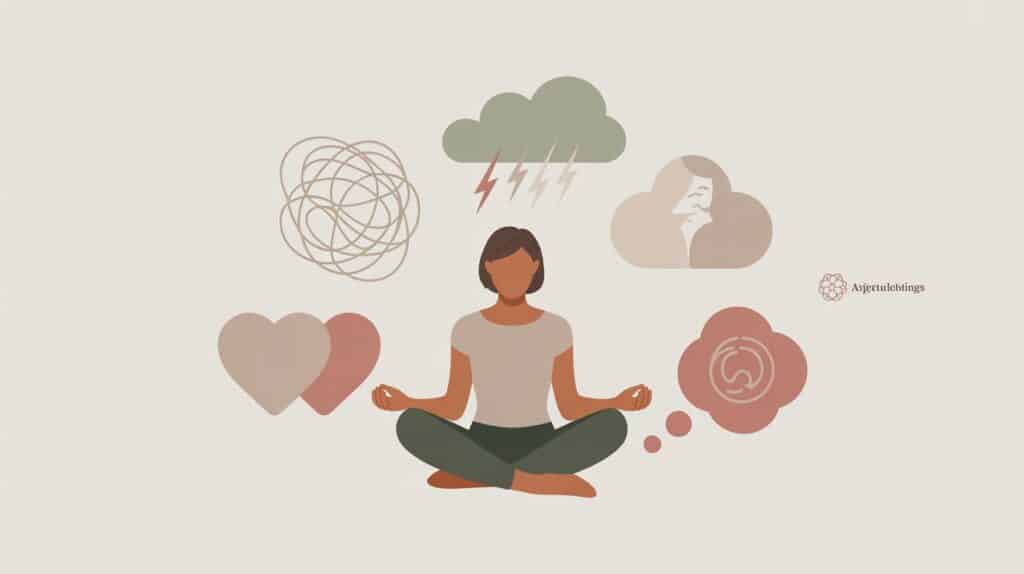
Many people think counselling is only for serious situations. But in reality, counselling helps with a wide range of everyday emotional challenges that people silently struggle with.
If you are wondering what kind of problems counselling can help with, you are not alone. Most people reach this question when they feel confused, overwhelmed, or mentally stuck. But are unsure whether their situation is “serious enough.”
The truth is simple: Counselling is not about how big your problem is. It is about how much it is affecting your life.
Common Misconceptions About Counselling
One of the biggest reasons people delay seeking help is misunderstanding what counselling is.
- “Counselling is only for serious problems”
- “I should handle things on my own”
- “My problem is not big enough”
These beliefs often keep people stuck longer than necessary.
In reality, counselling is simply a space where you can understand your thoughts and emotions more clearly.
Types of Problems Counselling Helps With

Counselling can help with a wide range of emotional and mental challenges.
Stress and Mental Overload
Many people feel constantly stressed but cannot identify why.
- Work pressure
- Family responsibilities
- Financial concerns
Counselling helps you understand what is creating stress and how to manage it better.
You can also explore stress counselling for structured support.
Anxiety and Overthinking
Anxiety often shows up as constant worry, restlessness, or overthinking.
It can affect:
- Sleep
- Decision-making
- Confidence
Counselling helps reduce mental noise and bring clarity.
Learn more about anxiety counselling.
Relationship Challenges
Relationships are one of the most common reasons people seek help.
- Communication issues
- Emotional distance
- Trust problems
Counselling helps improve understanding and communication.
Explore relationship counselling.
Confidence and Self-Doubt
Many people struggle with self-doubt without realising it.
- Fear of failure
- Low confidence
- Constant comparison
Counselling helps build a healthier relationship with yourself.
Emotional Confusion and Inner Struggles
Sometimes the problem is not clear.
You just feel:
- Lost
- Mentally tired
- Emotionally confused
This is where counselling helps most — bringing clarity to unclear emotions.
When Should You Consider Counselling?
You should consider counselling when:
- Your thoughts feel overwhelming
- You feel stuck in the same patterns
- You are mentally tired often
- You want clarity but don’t know how to get it
You don’t need to wait for things to get worse.
Why Talking to Someone Helps
Most people try to solve problems alone.
But when your mind is overwhelmed, it becomes harder to think clearly.
Talking to someone helps because:
- You get a neutral perspective
- Your thoughts become clearer
- You understand patterns you couldn’t see before
According to the American Psychological Association , structured conversations significantly improve emotional clarity and coping ability.
Frequently Asked Questions
What problems can counselling help with?
Counselling can help with stress, anxiety, relationships, self-doubt, and emotional confusion.
Is counselling only for serious issues?
No. It can help with everyday emotional challenges as well.
How do I know if I need counselling?
If something is affecting your peace of mind, it is worth exploring.
If you are unsure what kind of support you need, you can explore all areas where MindHope helps.
Explore What We Help With