
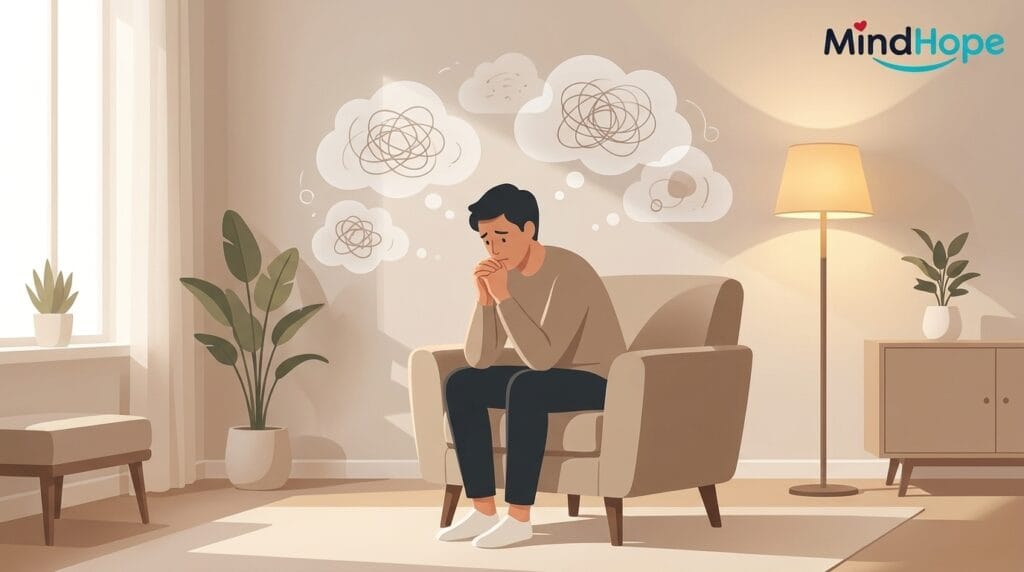
Anxiety is often misunderstood because it does not always look dramatic from the outside. Many people continue working, smiling, attending meetings, and carrying daily responsibilities — while silently feeling mentally exhausted inside.
If you are wondering when should you seek anxiety counselling, it may already mean anxiety is affecting your inner life more than you have been able to admit.
Not every anxious thought means something is wrong. But when anxiety begins shaping your sleep, decisions, relationships, confidence, or peace of mind, support becomes more than helpful — it becomes important.
The earlier anxiety is understood, the easier it becomes to manage before it starts controlling larger parts of life.
When Is Anxiety Normal — And When Is It Too Much?
Anxiety itself is not abnormal. It is part of how the human mind responds to uncertainty, risk, and pressure.
Feeling anxious before exams, interviews, financial decisions, or difficult conversations is natural.
The concern begins when anxiety:
- Persists without clear reason
- Appears even in safe situations
- Creates physical tension regularly
- Interrupts sleep or concentration
- Makes ordinary life feel emotionally exhausting
At that point, anxiety is no longer simply reacting to life — it is beginning to shape life itself.
Signs Anxiety May Need Support
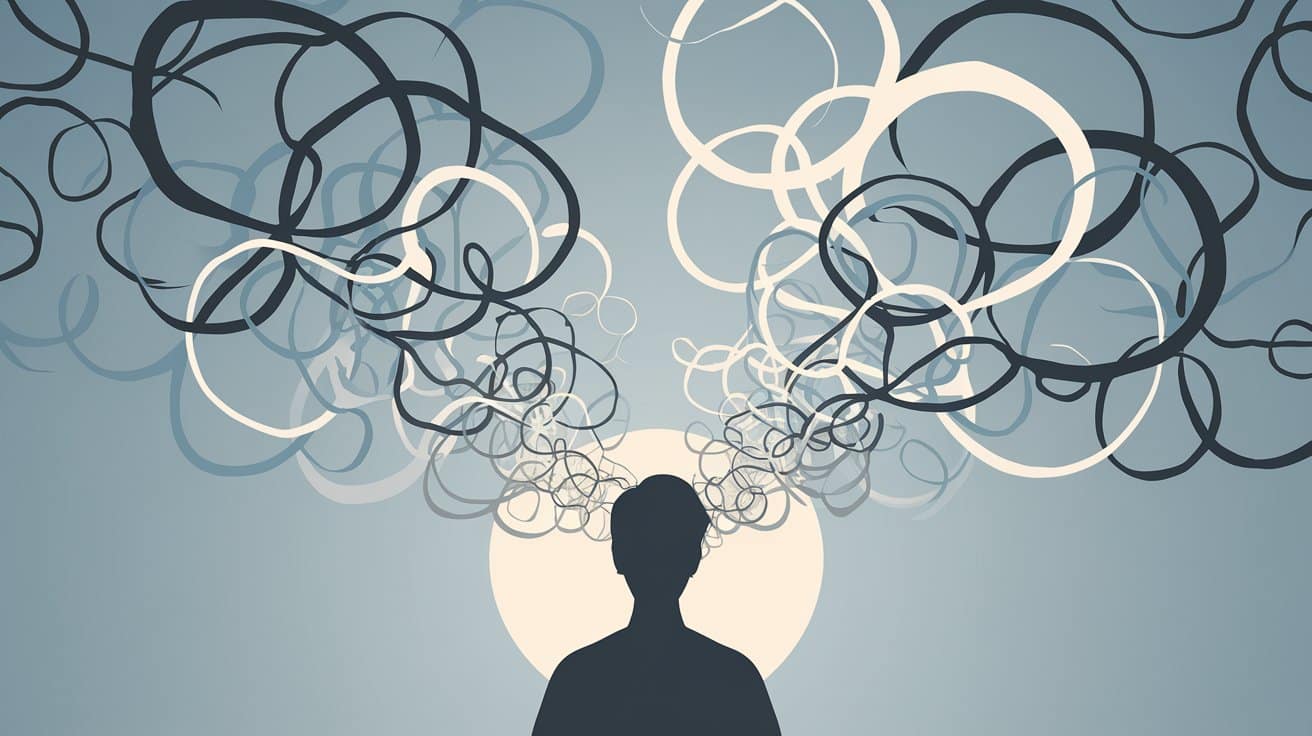
Many people seek anxiety counselling only after months or years of silent struggle. But there are early warning signs that should not be ignored.
1. Your Mind Rarely Feels Quiet
Even during calm moments, your thoughts remain restless, scanning for problems or imagined future risks.
2. Overthinking Is Affecting Daily Decisions
Simple choices begin feeling emotionally heavy and mentally exhausting.
3. Sleep Is Frequently Disturbed
Racing thoughts before sleep are one of the most common overlooked signs.
4. Physical Symptoms Keep Appearing
Tight chest, rapid heartbeat, headaches, restlessness, stomach discomfort — anxiety often speaks through the body.
5. You Avoid Situations That Feel Emotionally Uncomfortable
Avoidance often gives short-term relief while making anxiety stronger long term.
Many people first notice these patterns while using self-help tools for anxiety to reflect on their emotional state privately.
Why People Delay Anxiety Counselling
One of the biggest problems with anxiety is that it convinces people to normalize suffering.
Common reasons people delay seeking help:
- “Maybe this is just stress.”
- “Others have it worse than me.”
- “I should be able to handle this alone.”
- Fear of being judged or misunderstood
But emotional pain does not need to become extreme before it deserves care.
Seeking support early often prevents anxiety from becoming chronic and deeply disruptive.
How Anxiety Counselling Helps
Anxiety counselling creates a structured space where thoughts that feel chaotic can begin making sense.
It helps people:
- Understand triggers clearly
- Recognize thought loops
- Reduce mental overload
- Build healthier coping responses
- Regain emotional control gradually
Rather than suppressing anxiety, counselling helps people understand its roots and reduce its power.
According to the American Psychological Association , early anxiety support improves emotional regulation and reduces long-term distress.
Who Benefits Most From Anxiety Counselling?
Anxiety counselling can help anyone whose inner life feels constantly burdened by worry, fear, or overthinking.
It is especially valuable for people who:
- Feel mentally exhausted from overthinking
- Struggle with constant future worry
- Feel emotionally overwhelmed without clear reason
- Have anxiety affecting relationships or work
- Notice anxiety reducing quality of life
There is no “perfect severity level” required before seeking support. If anxiety is affecting your peace, it matters.
Why Online Anxiety Counselling Is Increasingly Effective
Online anxiety counselling has become especially helpful because it removes many barriers:
- No travel pressure
- Private emotional space from home
- Flexible scheduling
- Easier first step for hesitant users
For many people in India, online counselling feels safer and less intimidating than traditional in-person formats.
MindHope offers online anxiety counselling for individuals seeking calm, structured emotional guidance before anxiety grows deeper.
Frequently Asked Questions
How do I know if I need anxiety counselling?
If anxiety is affecting sleep, concentration, emotional peace, relationships, or daily functioning, counselling may help.
Is anxiety counselling only for severe anxiety?
No. Early support is often more effective before anxiety becomes severe.
Can online anxiety counselling really work?
Yes. Many people find online counselling highly effective, private, and easier to begin.
What if I am unsure whether my anxiety is serious enough?
If anxiety is causing distress or reducing quality of life, it is valid to seek support.
If anxiety has been quietly shaping your thoughts, sleep, or emotional peace, early support can make a meaningful difference. A calm conversation may help you understand what your mind has been carrying alone.
Book Anxiety Counselling