
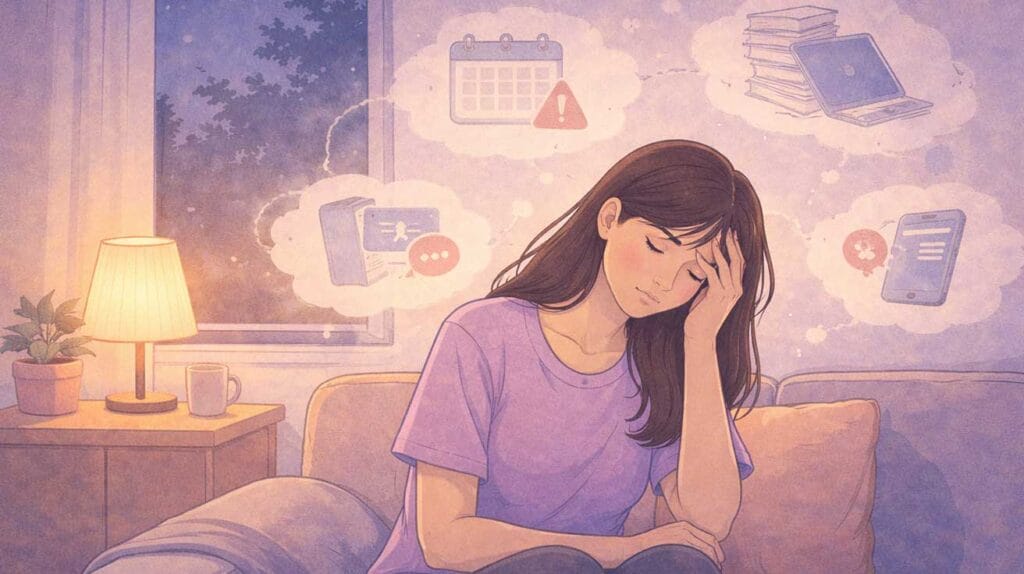
Modern life often celebrates productivity and constant activity. Many people believe stress is simply a normal part of work, family responsibilities, and personal ambitions. However when stress continues for long periods without relief, it slowly begins to affect mental wellbeing in ways that are often ignored.
Chronic stress does not always appear as an immediate crisis. Instead it quietly builds over months or years and gradually influences emotional balance, thinking patterns, sleep quality, and relationships. Understanding how long term stress affects the mind can help individuals recognize warning signs early and take steps to restore mental balance.
Understanding Chronic Stress
Stress is a natural response that prepares the body to deal with challenges. In small amounts it can help people stay alert and motivated. The problem begins when the body remains in a constant state of tension.
Chronic stress occurs when the brain repeatedly triggers the stress response without adequate recovery time. Work pressure, financial uncertainty, relationship difficulties, and family responsibilities can all contribute to this ongoing pressure.
Over time the brain begins to treat everyday situations as threats. This continuous cycle can gradually influence emotional regulation, concentration, and mental health.
Stress and Mental Health in India
Mental health professionals in India have increasingly observed the effects of prolonged stress on emotional wellbeing.
According to the National Mental Health Survey conducted by the National Institute of Mental Health and Neurosciences, nearly one in seven Indians experiences some form of mental health difficulty during their lifetime. Stress related conditions such as anxiety and depression contribute significantly to this number.
Urban work environments, rapid lifestyle changes, and social expectations often increase pressure on young professionals and families. While stress may initially appear manageable, its long term effects can slowly affect emotional stability.
How Chronic Stress Changes the Brain
When a person experiences stress, the brain releases hormones such as cortisol and adrenaline. These chemicals help the body respond quickly to challenges.
However when stress becomes continuous, high cortisol levels may begin to affect brain function.
Research suggests that long term stress can influence areas of the brain responsible for memory, emotional regulation, and decision making. Individuals may start noticing symptoms such as constant worry, difficulty focusing, irritability, or emotional exhaustion.
A widely cited psychological study published in the journal Nature Reviews Neuroscience explains how prolonged stress can alter neural pathways related to mood regulation and emotional control.
You can read the research here
The study highlights that chronic stress does not only affect mood but also changes how the brain processes experiences and emotions.
Common Emotional Effects of Chronic Stress
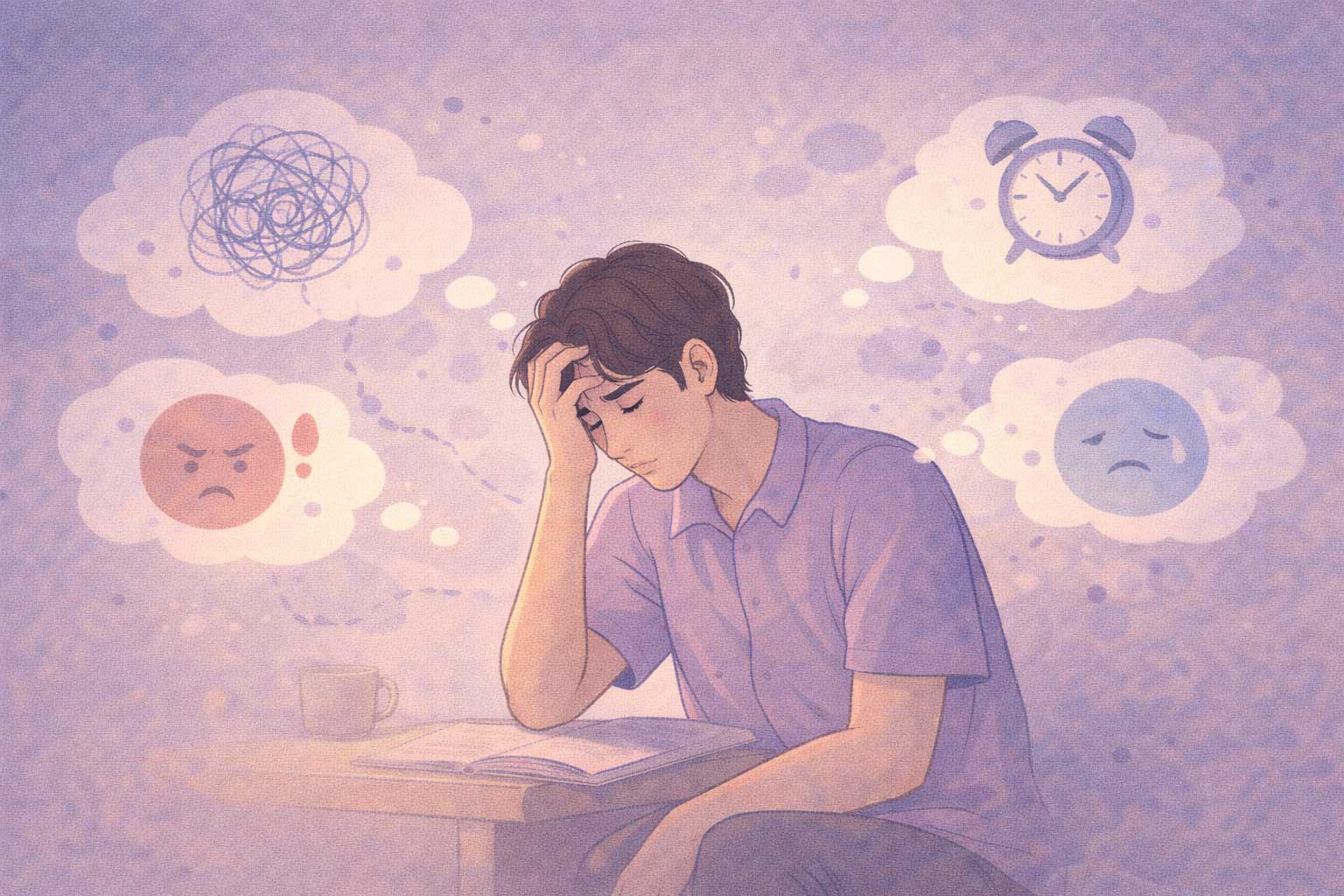
Many people assume stress only causes temporary discomfort. In reality the emotional effects can gradually become more serious if stress continues without relief.
Persistent anxiety
Constant stress often creates a feeling that something might go wrong even when there is no immediate threat. This ongoing worry can eventually lead to anxiety related difficulties.
Emotional exhaustion
People experiencing long term stress may feel mentally drained. Tasks that once felt manageable can start to feel overwhelming.
Difficulty concentrating
Chronic stress can make it harder to focus or make decisions. Many individuals notice that their productivity decreases even though they are trying harder.
Sleep disturbances
Stress often disrupts sleep patterns. Lack of quality sleep then worsens emotional balance, creating a cycle that becomes difficult to break.
If you often experience racing thoughts at night, you may also find it helpful to read our blog on Why Anxiety Makes You Overthink Everything
Case Study: The Gradual Impact of Stress
To better understand how chronic stress develops, consider the experience of Rohan, a thirty two year old marketing professional living in Bengaluru.
Rohan initially enjoyed his career and found his work exciting. Over time his responsibilities increased. Tight deadlines, long working hours, and frequent travel became part of his routine.
At first he believed the pressure was temporary and continued pushing himself to perform better. Gradually he began noticing changes in his mood and behaviour.
He started feeling constantly tired even after sleeping. Small work challenges triggered strong frustration. He also found it difficult to disconnect from work during weekends.
After several months Rohan noticed that he was avoiding social gatherings and spending most evenings feeling mentally exhausted.
When he eventually spoke with a mental health mentor, he realized that prolonged stress had been affecting his emotional wellbeing for more than a year.
Through structured conversations, lifestyle adjustments, and emotional reflection practices, he slowly began restoring balance in his routine.
This case reflects a common pattern seen among professionals who experience continuous pressure without adequate recovery.
Why Anxiety Often Leads to Overthinking
Anxiety affects the brain's threat detection system. When the mind perceives uncertainty or potential risk, it tries to analyse situations repeatedly in an attempt to gain control.
Several psychological processes explain why anxious minds overthink.
The brain searches for certainty
Anxiety makes the brain uncomfortable with uncertainty.
To reduce this discomfort, the mind starts analysing situations again and again. It tries to find the perfect explanation or the safest possible decision.
However, real life rarely provides complete certainty, which means the thinking cycle continues.
Physical Signs That Often Accompany Stress
Although this article focuses on mental health, chronic stress often appears through physical symptoms as well.
Some individuals experience headaches, muscle tension, digestive discomfort, or fatigue. These physical signals are often the body’s way of communicating that emotional strain has reached unhealthy levels.
Ignoring these signs may allow stress to continue affecting both mental and physical wellbeing.
Lifestyle Factors That Increase Chronic Stress
Several everyday habits may unintentionally increase long term stress levels.
Lack of work life boundaries
Constantly thinking about work during personal time prevents the mind from recovering from daily pressures.
Limited emotional support
People who do not regularly share their thoughts or concerns may feel isolated during difficult periods.
Excessive digital stimulation
Continuous exposure to social media, news, and online notifications can keep the brain in a state of alertness.
Poor sleep habits
Irregular sleep patterns prevent the brain from restoring emotional balance.
Strategies That Help Reduce Chronic Stress
While chronic stress develops gradually, small changes in daily routines can significantly improve mental wellbeing.
Create intentional breaks
Short breaks during the day allow the mind to reset and reduce mental fatigue.
Maintain supportive relationships
Talking with trusted friends or family members can help release emotional tension.
Practice reflection
Writing down thoughts or engaging in quiet reflection can help process emotions rather than allowing them to accumulate.
Limit digital overload
Reducing screen time in the evening helps the mind transition into a calmer state.
Seek guidance when needed
Speaking with a trained mentor or counsellor can provide structured support for managing long term stress.
If emotional fatigue is affecting your daily life, you may also find our article on: Hidden Signs of Depression That Many Adults Ignore helpful.
Why Early Awareness Matters
Chronic stress rarely appears suddenly. It usually develops slowly through small changes in mood, energy levels, and emotional reactions.
Recognizing these early signals can prevent stress from evolving into more serious mental health challenges such as anxiety or depression.
Awareness also encourages people to prioritize emotional wellbeing rather than waiting until stress becomes overwhelming.
Mental health conversations are gradually becoming more open in India, yet many individuals still hesitate to seek support early. Encouraging open dialogue about stress can help create healthier work environments and relationships.
Conclusion
Chronic stress is often misunderstood because its effects develop gradually. What begins as manageable pressure can slowly influence mood, sleep, focus, and emotional resilience.
Understanding the psychological impact of long term stress allows individuals to recognize warning signs before they become more serious. Small lifestyle changes, supportive relationships, and mindful reflection can significantly improve emotional balance.
Taking care of mental health is not a luxury. It is an essential part of living a balanced and meaningful life.
If you feel mentally exhausted.
Talk to a MindHope Mentor