

Stress has become part of everyday life for many people. Sometimes it builds so gradually that we do not notice how deeply it affects our thoughts, sleep, and emotional balance.
If you are searching for self help tools for stress, you may already be feeling mentally overloaded and looking for simple ways to regain clarity.
The good news is that early stress can often be understood better through structured self-help tools that help you reflect, assess, and respond before stress becomes overwhelming.
These tools do not replace human connection — but they can be an important first step in understanding what your mind is trying to tell you.
What Are Self Help Tools for Stress?
Self-help tools for stress are guided resources that help people recognise emotional patterns, understand symptoms, and reflect on their mental state.
These may include:
- Stress self-assessment tests
- Mood tracking tools
- Anxiety screening questionnaires
- Emotional check-in exercises
- Guided reflection prompts
They help bring awareness to stress before it silently affects daily life.
Why Self Help Tools Work for Stress
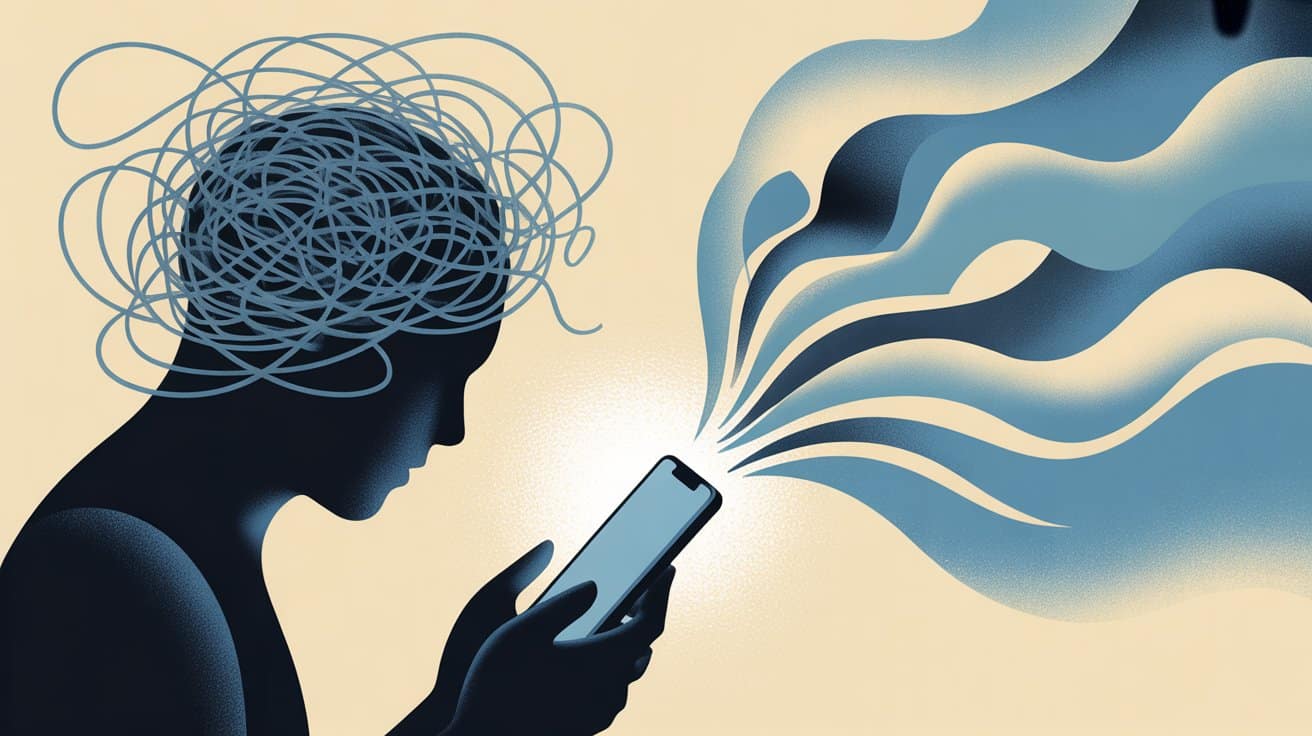
Stress often feels confusing because it hides behind ordinary symptoms: fatigue, irritability, overthinking, low patience, poor sleep.
Self-help tools work because they create structure around emotions. They help people pause and observe what is happening internally.
According to stress psychology research, early self-awareness improves emotional regulation and helps reduce escalation of chronic stress symptoms.
Epistemic reference: American Psychological Association – Stress Awareness
Types of Stress Self Help Tools
1. Stress Assessment Tests
These tools help identify whether your current feelings match common stress patterns.
2. Emotional Reflection Checklists
Useful for understanding emotional overload that may not be obvious in daily routines.
3. Mood Pattern Tracking
Tracking mood changes over time reveals recurring triggers and emotional cycles.
4. Guided Self-Evaluation Tools
These help connect symptoms like burnout, numbness, and irritability to deeper stress causes.
MindHope offers structured self help tools online in India designed to help users recognise early signs of stress before they worsen. :contentReference[oaicite:1]{index=1}
When Should You Use Stress Tools?
Self-help tools are especially useful when:
- You feel mentally tired without clear reason
- You are overthinking more than usual
- Sleep feels disturbed
- Small problems feel unusually overwhelming
- Your emotional patience feels low
Many people wait too long before checking in with themselves. Stress tools are most powerful when used early.
How to Choose the Right Tool
The best stress tools are simple, reflective, and easy to complete honestly.
Choose tools that:
- Feel easy to understand
- Give practical emotional insight
- Do not overwhelm with medical language
- Help guide your next step clearly
If your stress is connected to emotional fatigue, you may also relate to signs discussed in signs of emotional exhaustion .
Often, one small self-assessment can reveal patterns people ignore for months.
Frequently Asked Questions
Are self help tools for stress accurate?
They are useful for awareness and reflection, helping identify patterns early — though they are not medical diagnosis tools.
Can stress tools reduce anxiety?
They can help reduce uncertainty by giving clarity, which often lowers emotional overwhelm.
How often should I use stress self-assessment tools?
Many people benefit from using them weekly or whenever stress symptoms begin increasing.
What should I do after using a stress tool?
Use the results as guidance for reflection, lifestyle adjustment, or seeking deeper support if needed.
If stress has been building quietly in your life, the first step is awareness. Explore MindHope’s self-help tools to better understand your emotional patterns and take meaningful steps toward mental clarity.
Explore Self Help Tools