
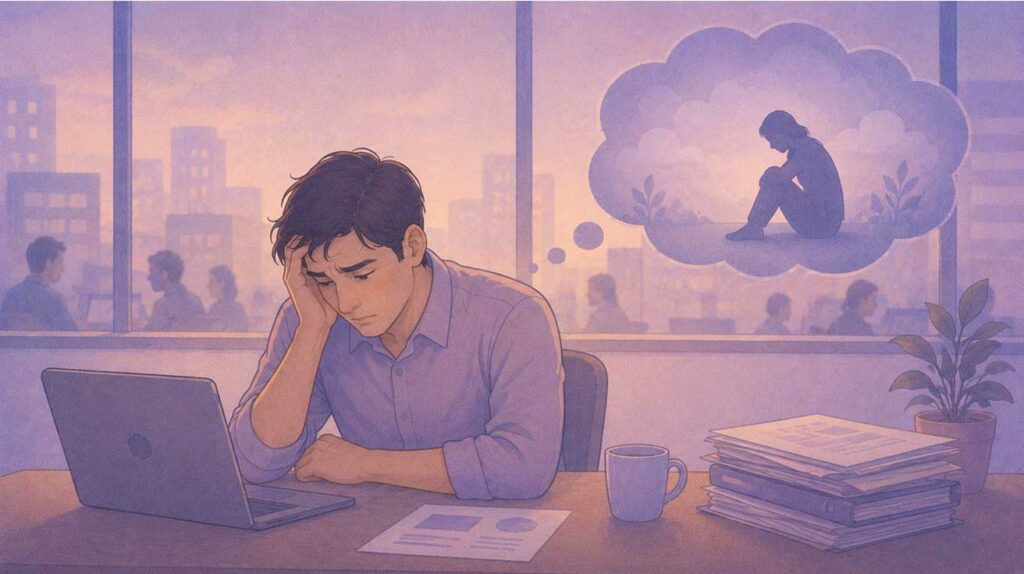
For many working professionals, life appears stable from the outside. There is a routine, a steady income, and a sense of responsibility toward career and family. Yet behind this structure, many individuals quietly experience emotional struggles that are rarely discussed.
Depression among working professionals often remains unnoticed because it does not always interrupt daily functioning immediately. People continue attending meetings, meeting deadlines, and managing responsibilities while feeling emotionally drained inside.
This silent struggle can continue for months or even years, affecting mental wellbeing, relationships, and overall quality of life.
Depression in Working Professionals: The Silent Struggle
For many working professionals, life appears stable from the outside. There is a routine, a steady income, and a sense of responsibility toward career and family. Yet behind this structure, many individuals quietly experience emotional struggles that are rarely discussed.
Depression among working professionals often remains unnoticed because it does not always interrupt daily functioning immediately. People continue attending meetings, meeting deadlines, and managing responsibilities while feeling emotionally drained inside.
This silent struggle can continue for months or even years, affecting mental wellbeing, relationships, and overall quality of life.
Mental Health and Working Professionals in India
Workplace stress has become a growing concern in India, especially in urban cities where competition and expectations are high.
According to the National Mental Health Survey conducted by the National Institute of Mental Health and Neurosciences, nearly one in seven Indians experiences mental health challenges, including depression and anxiety.
A separate workplace study by Deloitte India found that a large percentage of professionals report feeling stressed or emotionally exhausted at work, yet many do not seek help due to stigma or lack of awareness.
These insights highlight a significant gap between experiencing emotional distress and accessing support.
Why Depression Often Goes Unnoticed at Work
There are several reasons why depression among professionals remains hidden.
The pressure to appear strong
In many workplaces, individuals feel expected to handle pressure without showing emotional difficulty. Admitting mental strain is often perceived as weakness.
High performance expectations
Professionals may push themselves to meet deadlines and goals even when they feel mentally exhausted.
Lack of awareness
Many people are not familiar with the early signs of depression and may interpret them as temporary stress.
Fear of judgement
Concerns about how colleagues or managers might react often prevent individuals from discussing their emotional struggles.
Common Signs of Depression in Working Professionals
Depression does not always appear dramatically. It often shows up through small changes in behaviour and emotional patterns.
Persistent fatigue
Even after adequate rest, individuals may feel constantly tired and lack motivation to start the day.
Loss of interest in work
Tasks that once felt engaging may begin to feel meaningless or overwhelming.
Difficulty concentrating
Professionals may struggle to focus on tasks or complete assignments efficiently.
Irritability and emotional sensitivity
Small challenges at work may trigger frustration or emotional reactions.
Withdrawal from colleagues
Individuals may avoid social interactions or prefer to remain isolated.
If you notice similar patterns, you may also find it helpful to read our article on - Hidden Signs of Depression That Many Adults Ignore
Case Study: A Silent Struggle in Corporate Life
Amit, a thirty five year old finance professional in Mumbai, had always been known for his discipline and consistency at work.
Over time, his responsibilities increased and his workload became more demanding. He began working late hours and found it difficult to disconnect from work even during weekends.
Initially Amit believed he was simply adjusting to increased pressure. However after several months he noticed changes in his behaviour.
He felt constantly tired and struggled to concentrate during meetings. Tasks that once felt routine began to feel overwhelming. He also started avoiding conversations with colleagues and preferred to stay alone.
Despite these changes, Amit continued working because he felt responsible for his role and team.
Eventually his close friend noticed the shift in his behaviour and encouraged him to speak with a mental health mentor.
During these conversations, Amit realised that he had been experiencing symptoms of depression linked to prolonged stress and lack of emotional rest.
With guided support and gradual lifestyle changes, he began to rebuild emotional balance and improve his overall wellbeing.
His experience reflects a common reality where professionals continue functioning while silently struggling.
Research on Depression and Work Performance
Scientific research shows that depression can significantly affect workplace functioning.
A study published in the Journal of Occupational and Environmental Medicine highlights that depression is associated with reduced productivity, increased absenteeism, and difficulty maintaining focus.
You can read the research here.
The study explains that individuals experiencing depression may still be physically present at work but struggle with concentration and decision making.
Factors That Contribute to Depression in Professionals
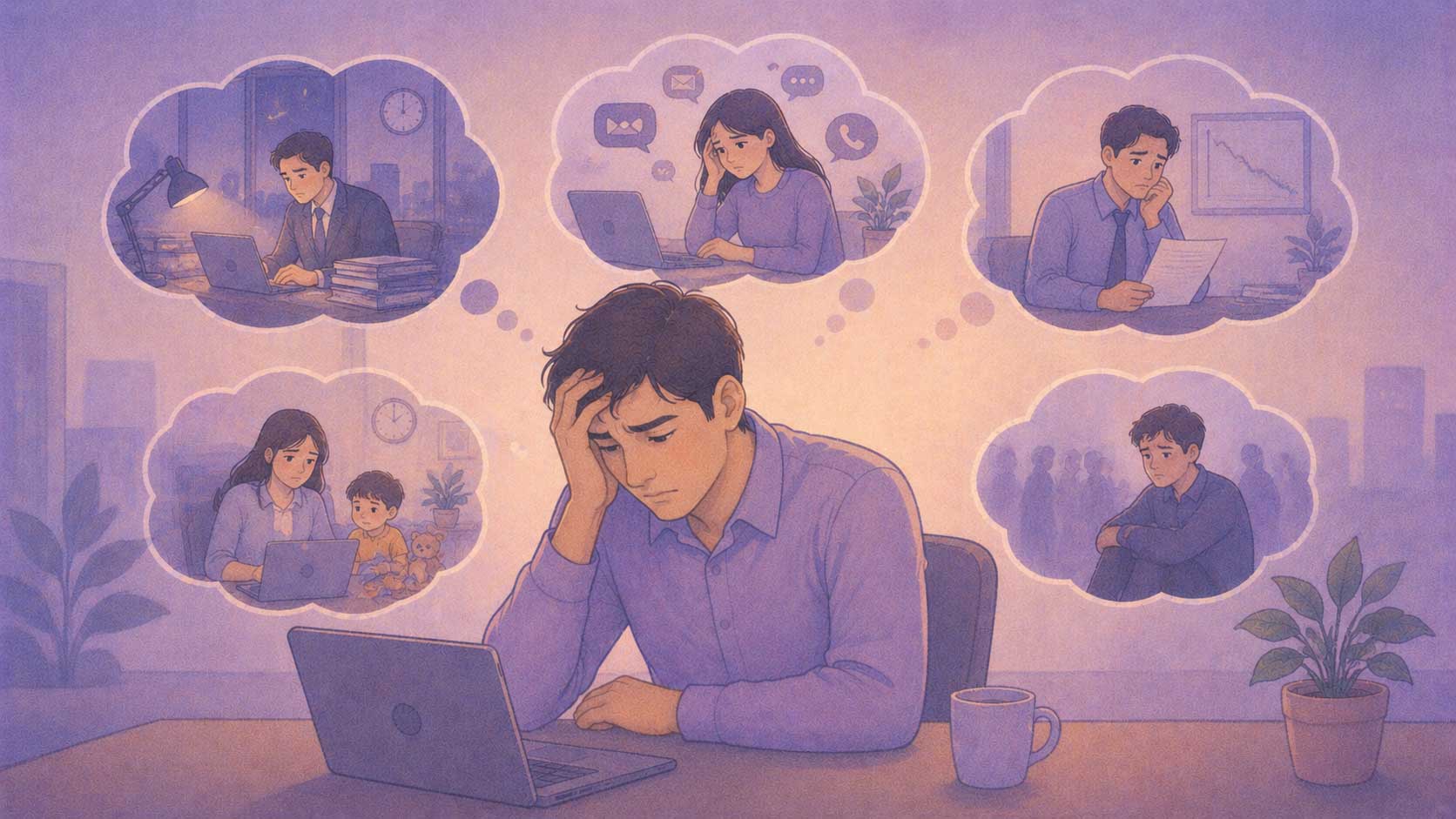
Several workplace and lifestyle factors can increase vulnerability to depression.
Long working hours
Extended work schedules leave little time for rest and emotional recovery.
Lack of work life balance
When personal time is consistently interrupted by work responsibilities, emotional fatigue increases.
Job insecurity
Uncertainty about career stability can create ongoing stress and anxiety.
Limited emotional support
Without supportive relationships, individuals may feel isolated during challenging periods.
Constant digital engagement
Being connected to work through phones and emails at all times can prevent mental relaxation.
You may also explore our blog on "How Chronic Stress Slowly Affects Your Mental Health" to understand how long term stress contributes to emotional challenges.
How Depression Affects Decision Making and Relationships
Depression often influences more than just mood.
Professionals may find it difficult to make decisions or take initiative. They may second guess their choices and feel unsure about their abilities.
In relationships, emotional withdrawal and irritability can create misunderstandings with colleagues, friends, and family members.
These effects can gradually reduce confidence and increase feelings of isolation.
When to Consider Seeking Support
It is important to recognise when emotional changes are persistent rather than temporary.
Some signs that support may be helpful include:
- feeling mentally exhausted most days
- losing interest in work or social interaction
- difficulty concentrating consistently
- changes in sleep patterns
- feeling disconnected from daily life
Seeking support early can help prevent emotional strain from becoming more severe.
Simple Steps That Can Support Emotional Wellbeing
While professional guidance is important, small daily practices can also help improve mental balance.
Create boundaries between work and personal time
Setting clear limits helps the mind recover from daily stress.
Maintain regular routines
Consistent sleep and daily structure support emotional stability.
Stay connected
Talking with trusted people can reduce feelings of isolation.
Practice reflection
Writing down thoughts or spending quiet time can help process emotions.
Seek guidance when needed
Speaking with a mentor or counsellor provides structured support and clarity.
Final Thoughts
Depression in working professionals often remains hidden because individuals continue fulfilling their responsibilities despite emotional difficulty.
This silent struggle can gradually affect mental health, relationships, and overall wellbeing.
Recognising early signs and creating space for emotional awareness can make a meaningful difference. Open conversations and supportive environments play an important role in improving mental health outcomes.
Taking care of emotional wellbeing is not separate from professional success. It is an essential part of sustaining it.
If you feel mentally exhausted.
Talk to a MindHope Mentor