
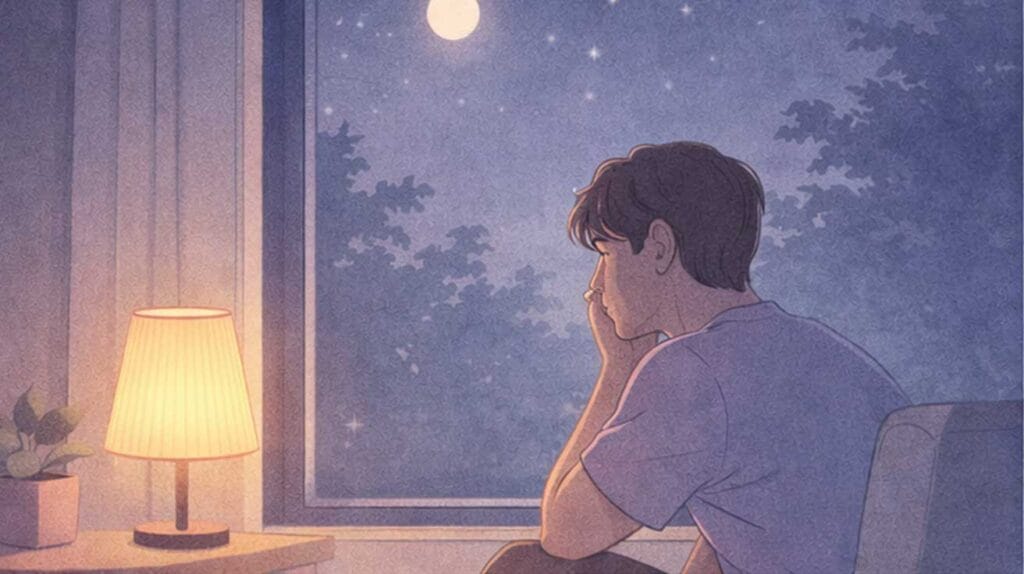
Depression does not always appear in obvious ways. Many people imagine depression as constant sadness or emotional breakdowns. In reality, depression can quietly appear in everyday behaviours that many adults overlook.
In India, mental health conversations are still growing, and many adults continue to dismiss early emotional warning signs. Work stress, family responsibilities, financial pressures, and social expectations often lead people to normalise emotional exhaustion.
Understanding hidden signs of depression can help individuals recognise when emotional strain may require attention and support.
The Growing Reality of Depression in India
Mental health research shows that depression affects millions of people in India across different age groups and professions.
According to the World Health Organization, one in twenty Indians experiences depression, and nearly 15 percent of Indian adults require active mental health support for various conditions.
Research from the National Mental Health Survey also shows that millions of adults live with depression without receiving treatment, highlighting a large gap between experiencing symptoms and seeking help.
These numbers suggest that many people may be living with emotional distress without recognizing the signs.
Why Hidden Depression Often Goes Unnoticed
Unlike severe mental health crises, early depression symptoms can appear subtle and gradual.
Many adults continue working, socialising, and maintaining daily routines while quietly struggling internally.
Several factors contribute to hidden depression.
Social expectations
In many Indian families, people are encouraged to remain strong and not openly discuss emotional struggles.
Work and financial pressure
Long working hours and career expectations often push individuals to ignore emotional fatigue.
Misunderstanding mental health symptoms
Some people interpret emotional exhaustion as simple stress or personality traits.
Because of these factors, depression may develop slowly while remaining unnoticed for months or even years.
Hidden Signs of Depression That Adults Often Ignore
Recognising subtle emotional signals can help identify when mental health needs attention.
Constant fatigue without physical illness
Feeling tired occasionally is normal. However, ongoing exhaustion without medical causes may signal emotional strain.
Depression often affects energy levels and motivation, making everyday tasks feel unusually difficult.
People may describe this feeling as mental heaviness rather than physical tiredness.
Loss of interest in activities that once felt enjoyable
One of the most common signs of depression is gradually losing interest in hobbies or social activities.
Someone who once enjoyed meeting friends, travelling, or pursuing creative hobbies may slowly withdraw from those experiences.
Because this change can occur slowly, people may not realise that emotional disengagement is developing.
Irritability instead of sadness
Depression does not always appear as visible sadness.
Some individuals experience increased frustration, impatience, or irritability with colleagues, friends, or family members.
Adults who normally remain calm may begin reacting strongly to small situations.
This emotional shift often confuses people because they do not associate anger with depression.
Difficulty concentrating or making decisions
Depression can affect cognitive functioning.
Individuals may notice that routine tasks such as planning schedules, completing work assignments, or making everyday decisions feel unusually difficult.
This mental fog may lead people to believe they are simply overwhelmed or distracted.
Social withdrawal
People experiencing depression may gradually distance themselves from social interactions.
This can include avoiding phone calls, declining invitations, or preferring isolation even when opportunities to connect exist.
The withdrawal often happens quietly and may be mistaken for a busy schedule.
Changes in sleep patterns
Sleep disruptions frequently accompany depression.
Some individuals experience insomnia and struggle to fall asleep. Others sleep excessively yet still feel tired during the day.
Because sleep problems are common in modern lifestyles, many adults overlook this connection with emotional health.
A Real Life Case Study from Urban India
Rohan, a 34 year old marketing professional from Bengaluru, believed he was simply experiencing work stress.
He had recently taken on additional responsibilities at work and often worked late evenings.
Over several months he noticed subtle changes.
He stopped attending weekend gatherings with friends.
He felt unusually tired despite getting enough sleep.
Simple tasks at work required more effort than before.
Rohan assumed these experiences were temporary.
However, his partner noticed that he appeared emotionally distant and frequently irritated by small issues.
After several months, Rohan decided to speak with a mental health professional. During the consultation he realised that he had been experiencing mild depressive symptoms related to chronic stress and emotional exhaustion.
Through structured counselling and lifestyle adjustments, he gradually improved his emotional balance.
Rohan’s experience reflects a common reality for many professionals in India. Depression may develop slowly while appearing similar to everyday stress.
Research on Depression Symptoms in Adults
Mental health studies show that depression frequently appears through behavioural and cognitive symptoms rather than visible emotional breakdowns.
A large population study across several Indian states found that depressive disorders affect millions of adults and are associated with significant disability in daily functioning.
The research emphasises that many individuals continue performing daily responsibilities while experiencing emotional difficulties, which is why symptoms often remain unnoticed.
You can read the research here.
The findings highlight the importance of recognising early signs before emotional strain becomes more severe.
Factors That Increase the Risk of Hidden Depression
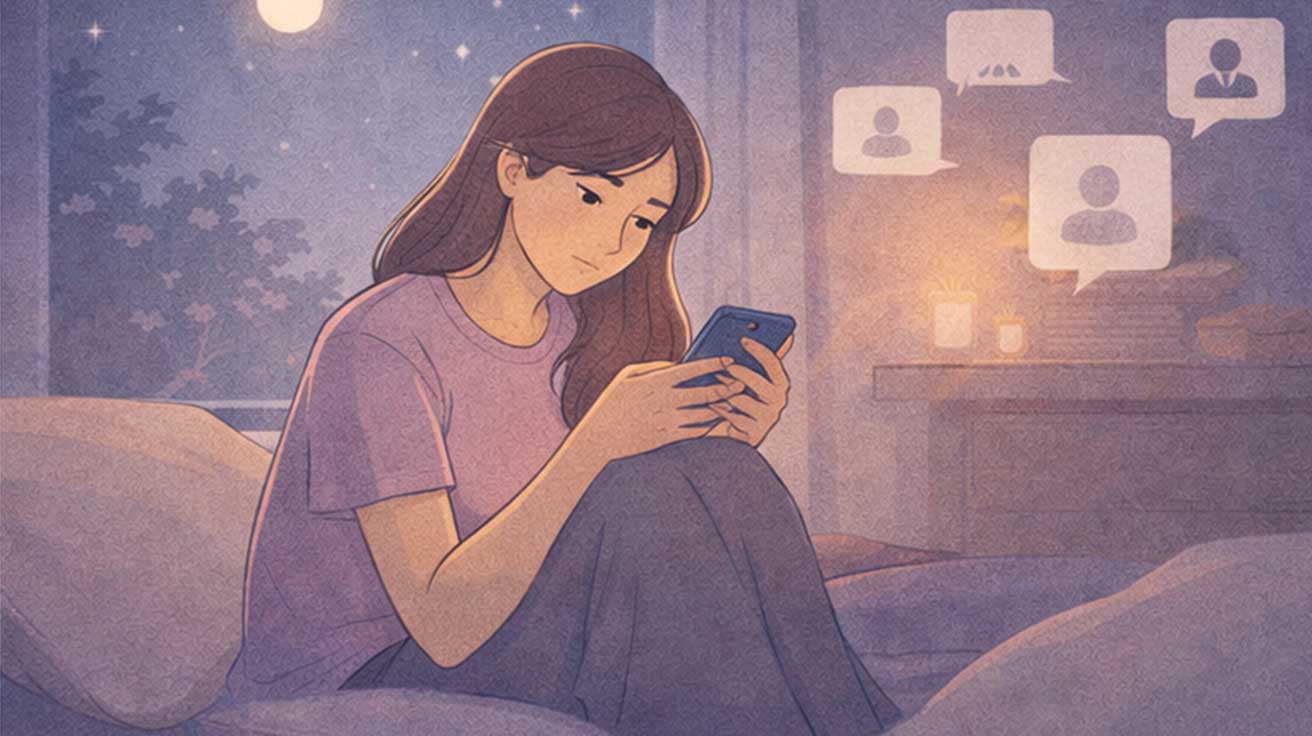
Several everyday life circumstances may increase vulnerability to depression.
Work related stress
Long working hours, job insecurity, and performance pressure can gradually affect emotional wellbeing.
Professionals in high demand industries may ignore early signs because they believe stress is part of career growth.
Relationship challenges
Unresolved relationship conflicts can quietly affect emotional health.
Adults may suppress their feelings to avoid confrontation, which can lead to emotional exhaustion.
Social isolation
Urban lifestyles and digital communication sometimes reduce meaningful face to face connections.
Even people with large social networks may experience loneliness.
Emotional burnout
Continuous responsibilities without emotional recovery time can lead to psychological fatigue.
You may also find it helpful to read our blog on how to deal with emotional burnout, which explains how long term stress can quietly affect mental health.
When Emotional Changes Should Not Be Ignored
Occasional sadness or stress is a normal part of life.
However, emotional changes may require attention if they continue for several weeks and begin affecting daily functioning.
Some signals that professional support may be helpful include:
- Persistent fatigue or lack of motivation
- Loss of interest in social interaction
- Difficulty concentrating at work
- Frequent feelings of emptiness or hopelessness
- Significant changes in sleep or appetite
Recognising these signals early can make recovery easier.
How Awareness Can Support Emotional Wellbeing
Many adults delay seeking help because they assume emotional struggles will disappear on their own.
However, acknowledging emotional health is an important step toward maintaining overall wellbeing.
Practical steps that may help include:
Talking openly with trusted people
Sharing feelings with friends or family can reduce emotional isolation.
Maintaining balanced daily routines
Healthy sleep, regular physical activity, and breaks from digital devices support mental stability
Practicing self reflection
Journaling or mindfulness practices can help identify emotional patterns.
Seeking professional guidance when needed
Mental health professionals can help individuals understand emotional patterns and develop coping strategies.
Final Thoughts
Depression does not always appear dramatically. Often it develops quietly through small behavioural changes that are easy to overlook.
Recognising hidden signs can help individuals address emotional challenges before they become overwhelming.
Awareness, open conversations, and timely support play an important role in improving mental wellbeing.
If you notice persistent emotional changes in yourself or someone close to you, taking the step to acknowledge those feelings can make a meaningful difference.
If you feel mentally exhausted.
Talk to a MindHope Mentor