
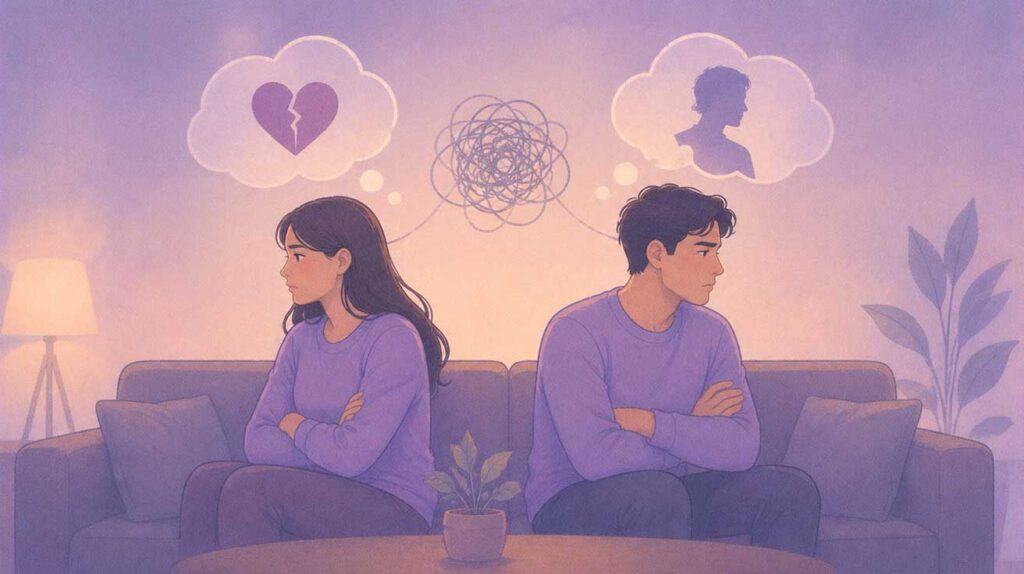
Every relationship experiences disagreements. Differences in personality, communication styles, and expectations are natural when two people share their lives together. However when arguments become frequent and emotionally exhausting, they often reflect deeper psychological patterns rather than simple everyday disagreements.
Many couples find themselves repeating the same arguments again and again without fully understanding why the conflict keeps returning. One conversation about time, responsibilities, or communication slowly turns into frustration, emotional distance, and misunderstanding.
Understanding the psychology behind constant arguments can help couples identify emotional triggers, improve communication, and build healthier emotional connections.
Why Repeated Arguments Happen in Relationships
Arguments are rarely only about the immediate issue being discussed.
For example, a disagreement about replying late to a message may actually reflect feelings of emotional neglect, insecurity, or lack of appreciation.
Relationship psychologists explain that repeated conflicts often emerge when emotional needs remain unexpressed or misunderstood over time.
When individuals feel unheard, emotionally disconnected, or stressed, small situations can quickly become emotionally charged.
Relationship Stress and Emotional Health in India
Modern relationships in India are increasingly influenced by work pressure, digital communication, changing social expectations, and reduced quality time.
According to a survey conducted by YouGov India, many young adults report that work stress and communication difficulties significantly affect relationship satisfaction.
Mental health professionals also observe that emotional burnout and unresolved stress frequently contribute to relationship conflict among urban couples.
In many cases, couples continue functioning together daily while quietly accumulating emotional frustration that eventually appears through repeated arguments.
The Psychological Reasons Behind Constant Arguments
Understanding the emotional patterns beneath conflict can help couples respond with greater awareness instead of reacting impulsively.
Unmet emotional needs
One of the most common causes of repeated arguments is the feeling that emotional needs are not being understood.
Some individuals seek reassurance, attention, or emotional closeness, while others may express care through practical actions rather than emotional conversations.
When these expectations differ, misunderstandings develop.
Stress and emotional overload
People under continuous stress often become emotionally reactive.
Work pressure, financial responsibilities, and mental fatigue can reduce patience and increase irritability. Small disagreements then become larger emotional conflicts.
If stress has been affecting emotional balance, you may also find it helpful to read our blog on – How Chronic Stress Slowly Affects Your Mental Health
Fear of rejection or abandonment
Many people are not familiar with the early signs of depression and may interpret them as temporary stress.
Fear of judgement
Past emotional experiences often shape how people respond in relationships.
Someone who fears rejection may become highly sensitive to criticism or emotional distance. Even small changes in tone or communication may feel emotionally threatening.
This sensitivity can lead to defensive reactions during conversations.
Communication patterns learned from childhood
Relationship behaviour is often influenced by family environments experienced during childhood.
People who grew up around frequent conflict may unconsciously repeat similar communication patterns in adulthood.
Others may avoid expressing emotions entirely because emotional conversations were discouraged while growing up.
The need to feel understood
Many repeated arguments are not about winning or proving a point.
They are often emotional attempts to feel heard, valued, or emotionally acknowledged.
When individuals feel misunderstood repeatedly, frustration gradually builds.
Research on Relationship Conflict and Communication
Psychological research consistently shows that communication patterns strongly influence relationship satisfaction.
A well known study published in the Journal of Marriage and Family found that repeated negative communication patterns significantly increase emotional dissatisfaction and relationship stress.
You can read the research here.
The research explains that criticism, defensiveness, and emotional withdrawal often create repeating cycles of conflict between couples.
It also highlights that healthy communication and emotional responsiveness improve long term relationship stability.
Case Study: When Everyday Disagreements Become Emotional Distance
Riya and Arjun, a married couple living in Bengaluru, had been together for six years.
Over time both became increasingly busy with work responsibilities. Their schedules rarely matched and meaningful conversations became less frequent.
Initially their disagreements seemed minor. They argued about household tasks, late replies to messages, and spending time together.
However the arguments slowly became more emotional and repetitive.
Riya felt emotionally ignored and believed Arjun no longer prioritised the relationship. Arjun, on the other hand, felt constantly criticised and emotionally exhausted after work.
Neither partner fully understood the emotional needs behind the other’s reactions.
After several months of recurring conflict, they decided to speak with a relationship mentor.
During guided conversations they realised that the arguments were not really about chores or schedules. The deeper issue was emotional disconnection caused by stress, limited communication, and unmet emotional expectations.
By improving listening habits and creating intentional time for emotional conversations, they gradually reduced the intensity of their conflicts.
Their experience reflects a common pattern where repeated arguments often represent deeper emotional needs rather than surface level disagreements.
Signs That Arguments Are Becoming Emotionally Harmful
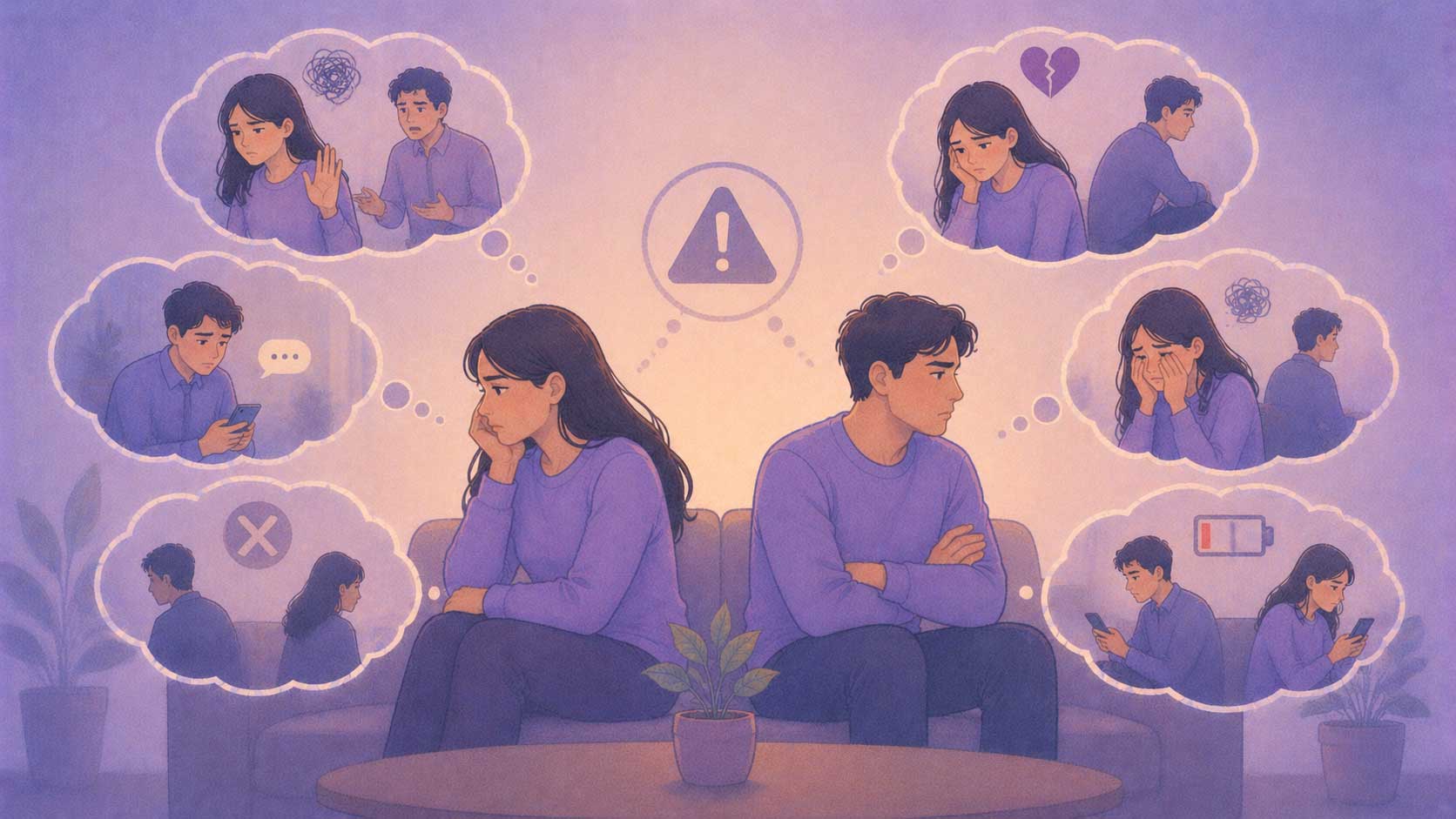
Disagreements are normal in relationships. However certain patterns may indicate that emotional strain is becoming unhealthy.
Some warning signs include:
- repeating the same argument frequently
- feeling emotionally exhausted after conversations
- avoiding communication to prevent conflict
- difficulty expressing feelings calmly
- emotional withdrawal or silence after disagreements
- feeling unheard or misunderstood most of the time
Recognizing these patterns early can help couples address emotional tension before it becomes more damaging.
How Overthinking Can Increase Relationship Arguments
Overthinking often intensifies relationship conflict.
When individuals repeatedly analyse conversations or imagine negative intentions, emotional reactions become stronger.
For example, a delayed reply may be interpreted as rejection or lack of care even when no harm was intended.
This mental pattern can increase insecurity and emotional misunderstandings.
You may also find it helpful to read our blog on – Why Anxiety Makes You Overthink Everything
Emotional Triggers That Often Cause Conflict
Every individual has emotional sensitivities shaped by personal experiences.
Some common emotional triggers include:
Feeling ignored
Lack of emotional attention can create feelings of loneliness within relationships.
Feeling criticised
Constant correction or negative feedback may lead to defensiveness.
Lack of appreciation
When efforts are not acknowledged, emotional frustration can increase.
Fear of losing connection
People who value emotional closeness strongly may react intensely to emotional distance.
Understanding personal emotional triggers can improve empathy between partners.
Healthy Ways to Reduce Repeated Arguments
Improving relationship communication requires emotional awareness rather than perfection.
Listen without immediately reacting
Allowing the other person to fully express their feelings creates emotional safety during conversations.
Focus on feelings instead of blame
Saying “I feel emotionally disconnected” is often more productive than assigning blame.
Create intentional quality time
Regular emotional connection outside stressful routines strengthens relationships.
Avoid discussing conflicts during high stress moments
Emotional regulation becomes more difficult when individuals are already mentally exhausted.
Seek guidance when patterns continue
Relationship mentors and counsellors can help couples understand deeper communication patterns and emotional needs.
Why Emotional Awareness Matters in Relationships
Many couples focus only on solving surface level problems while ignoring underlying emotions.
However emotional awareness helps individuals understand why certain situations trigger strong reactions.
Recognizing emotional needs such as reassurance, appreciation, or connection can transform how couples communicate during disagreements.
Healthy relationships are not built on the absence of conflict. They are built on the ability to navigate emotional differences with understanding and respect.
Final Thoughts
Constant arguments in relationships are often signs of deeper emotional patterns rather than simple disagreements.
Stress, emotional disconnection, unmet needs, and communication habits can gradually create repeating cycles of frustration.
Understanding the psychology behind these conflicts allows couples to respond with greater empathy and emotional awareness.
Small improvements in communication, listening, and emotional connection can significantly improve relationship wellbeing over time.
Every relationship experiences challenges, but emotional understanding creates the possibility for healthier and more meaningful connection.
If you feel mentally exhausted.
Talk to a MindHope Mentor