
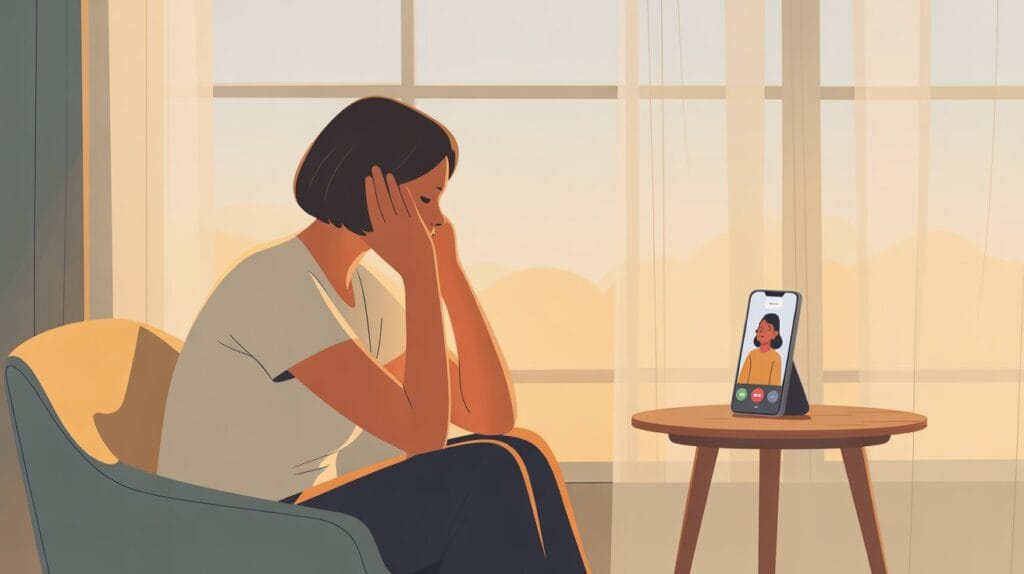
Breakups are rarely just about the end of a relationship. For many people, they bring a mix of grief, confusion, anger, and self-doubt.
If you are searching for breakups online therapy, it often means you’re trying to understand your emotions and move forward without feeling stuck in pain.
Online emotional support after a breakup has become increasingly common because it allows people to process feelings safely and privately without the pressure of traditional therapy settings.
This guide explains how online support works after a breakup, when it helps most, and how people begin rebuilding emotional clarity.
Why Breakups Feel Emotionally Overwhelming

Romantic relationships often become deeply intertwined with identity, routines, and future plans.
When a relationship ends, the emotional system reacts not only to loss but also to sudden change.
Common experiences include:
- Constant overthinking about what went wrong
- Replaying conversations or memories
- Feeling lonely even around others
- Doubting your own worth or decisions
These reactions are normal and widely recognised in relationship psychology.
According to the American Psychological Association , relationship loss activates emotional processing similar to other forms of grief.
What Is Breakups Online Therapy?
Breakups online therapy refers to structured emotional support delivered through video or audio conversations.
Rather than focusing on diagnosis, the goal is often to help individuals:
- Understand their emotions
- Process unresolved feelings
- Gain perspective on the relationship
- Rebuild emotional stability
Many people prefer online conversations because they feel more private and less intimidating than traditional clinical environments.
How Online Support Helps After a Breakup
Emotional Clarity
Talking with a neutral guide can help untangle confusing emotions and recurring thoughts.
Reducing Overthinking
Breakups often trigger mental loops about “what if” and “why.” Structured conversations help redirect these thoughts.
Rebuilding Self-Trust
Many people lose confidence in themselves after a relationship ends. Guidance can help restore emotional balance and self-respect.
Some individuals also begin exploring deeper emotional patterns such as unresolved emotional wounds that may have influenced the relationship.
When Breakup Support Is Most Helpful
Online support after a breakup may help when:
- You feel emotionally stuck weeks after the breakup
- You keep replaying past events
- Your confidence feels shaken
- Daily life feels harder to manage
In these situations, having someone neutral to talk to can bring perspective that friends and family may not always provide.
What Healing After a Breakup Looks Like
Healing from a breakup does not mean forgetting the relationship.
Instead, it often involves:
- Understanding what the relationship meant
- Accepting the end of a chapter
- Rebuilding emotional independence
- Moving forward without resentment
This process rarely happens overnight. But with time and reflection, emotional balance gradually returns.
Frequently Asked Questions
Can online therapy really help with a breakup?
Many people find that structured conversations help them process emotions and gain perspective after a breakup.
How long does it take to heal from a breakup?
Healing timelines vary depending on the depth of the relationship and personal circumstances.
Is talking to someone online private?
Most professional platforms maintain strict confidentiality and secure communication.
Should I talk to a professional or just friends?
Friends provide emotional comfort, while structured guidance can help organise thoughts and emotions more objectively.
If a breakup has left you feeling confused or emotionally heavy, talking with a calm and neutral mentor can help you process the experience and move forward with clarity.
Talk to a MindHope mentor