
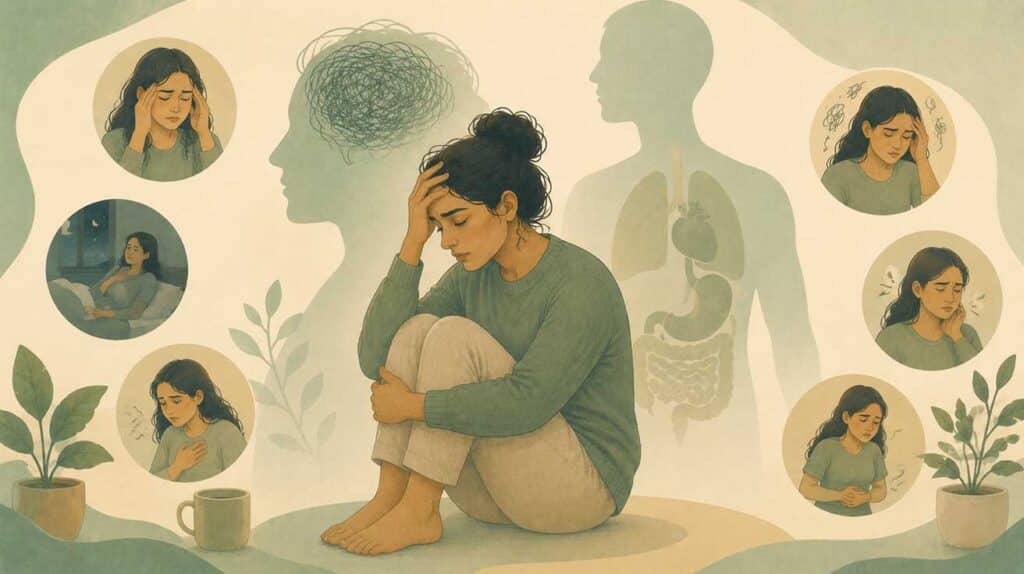
Stress elicits an anxiety response. Anxiety causes an individual to remain alert in order to handle possible obstacles or unknown situations. While anxiety is a good tool to keep us aware of our surroundings, if anxiety becomes either too frequent or overpowering, it will negatively impact both an individual’s physical health and mental well-being.
A lot of individuals perceive anxiety solely as worry or being nervous. Anxiety actually impacts such things as: sleep patterns; energy levels; ability to concentrate; digestion; relationships; and day-to-day functioning.
In India, an increase in work-related pressure; academic expectations; financial concerns; and lifestyle changes are all contributing factors to higher levels of anxiety among adults and young people alike.
Knowing how anxiety affects the Body and Mind allows one to identify early signs of anxiety and seek necessary assistance prior to emotional depletion becoming extreme.
What Is Anxiety?
Anxiety is a type of emotional state characterized by worry, fear, and/or apprehension when an individual believes there is a risk involved or a lack of certainty regarding a particular situation.
Normal occasional anxiety is a part of everyone’s lives. However, when these feelings persistently occur, intensify, or are beyond an individual’s capacity to manage, it may indicate a developing issue related to One’s mental health and physical well-being.
Some common reports from those who experience anxiety include:
- Worrying constantly
- Experiencing racing thoughts
- Feeling restless
- Difficulty relaxing
- Fear of future events
- Trouble concentrating
- Physical tension
Anxiety does not only influence an individual’s emotional status. Anxiety influences numerous bodily systems.
Anxiety in India: increasing mental health worries
There has been considerable improvement in mental health awareness in India recently.
According to estimates from the World Health Organization, anxiety disorders represent some of the most prevalent mental health issues worldwide, impacting hundreds of millions of individuals.
Research conducted in India suggests that there is a growing trend of reporting anxiety symptoms among college students, working professionals, business owners, and homemakers due to the changing pressures associated with social and economic developments in India.
While many individuals continue to ignore signs of anxiety because they believe that anxiety is merely stress or over-thinking, they may unknowingly put themselves at greater risk for other serious issues.
How can anxiety affect your Body & Mind?
Anxiety affects both physical and mental health. Anxiety may lead to excessive worry, racing thoughts, poor concentration, sleep disturbances, fatigue, muscle tension, gastrointestinal issues, elevated heart rate, and emotional exhaustion. Repeated exposure to prolonged states of anxiety may disrupt interpersonal relationships, decrease productivity, reduce an individual's self-confidence, and diminish overall well-being.
How Anxiety Affects the Mind
Continuous over-thinking
One of the primary ways in which anxiety manifests itself within an individual's psyche is through continuous over-thinking.
An individual experiencing anxiety may engage in ceaseless analysis of potential problems or negative outcomes as well as hypothetical scenarios or future uncertainties.
These repeated mental activities may eventually drain an individual's emotional reserves leading to emotional exhaustion.
You may also want to review our article: why anxiety makes you overthink everything.
Impaired concentration
If a person's thoughts remain concentrated on worry, their ability to concentrate will be severely impaired. Many people experiencing anxiety exhibit:
- Reduced attention span
- Memory loss
- Mental exhaustion
- Inability to complete tasks
This impairment can greatly hinder one's ability to perform effectively at work/studies/and daily tasks.
Heightened sensitivity/irritability
Due to the nature of the anxious state, a person typically experiences a heightened sensitivity towards each new source of everyday stressors.
Anxious persons generally respond more intensely to new sources of frustration compared to non-anxious individuals.
Common minor frustrations appear more daunting due to the pre-existing emotional state caused by an individual's emotional exhaustion.
Emotional depletion
Continuously engaging in worried thoughts drains enormous amounts of one's mental energy.
After extended periods many individuals report feelings of profound emotional depletion regardless of whether or not they experienced a severe life event.
You might also enjoy reading our article: how chronic stress gradually negatively impacts your mental health.
Lack of understanding emotions
Not all People possess high levels of emotional intelligence. Some People struggle with identifying and expressing their Feelings in a clear manner. Instead of saying "I feel emotionally disconnected," they may show their frustrations through irritability, withdrawal or silence.
Disturbed sleep patterns
For many people, anxiety appears to peak later in the evening.
Numerous individuals report having difficulties with:
- Falling asleep
- Interrupted sleep
- Thoughts racing prior to bedtime
- Unsatisfying sleep
Poor-quality sleep can subsequently exacerbate an individual's anxiety level causing them further distress.
What does Anxiety Do To Your Body?
How many times have you found yourself thinking "I don't believe I am actually getting sick" or "Why is this all occurring to me now"? Many people find it surprising to hear that anxiety causes so many bodily responses.
When we perceive a threat (whether real or imagined) our body goes into fight mode. This means your body begins responding to an event that may be causing us some form of emotional pain or distress. In addition to feelings of fear and panic, this typically includes:
- An increased heart rate;
- Palpitations of the heart;
- Chest pressure;
These are commonly referred to as physical manifestations of the body's 'fight or flight' response to stressors. While they can certainly be uncomfortable, they will generally go away when we stop fighting or fleeing.
Tension in Muscles
Another common side effect of anxiety is muscle tension. Typically, you feel this in the muscles around your:
- Neck
- Shoulders
- Jaw
- Back
Recurring muscle strain can lead to recurring headaches and other forms of physical discomfort.
Digestive Issues
Your digestive system and your brain are directly connected. Therefore, if you are feeling anxious it can create a wide variety of issues including:
- Stomach problems;
- Nausea;
- Digestive irregularity;
- Reduced hunger;
- Compulsive eating;
In fact, most people who struggle with anxiety report their digestive complaints worsen significantly during periods of high stress.
Low Energy/Fatigue
While anxiety provides stimulation to your mind, it also drains your body. The constant state of being emotionally on edge creates significant mental and physical exhaustion.
Poor Overall Health Due to Anxiety
While there is no direct link between anxiety and chronic illness (as far as medical science currently knows), persistent anxiety could create indirect damage to your health through its influence on:
- Sleep quality,
- Exercise routine,
- Appetite,
- Self-care activities.
Research Supporting Anxiety & Physical Wellness
There is considerable scientific evidence supporting a strong relationship between anxiety and physical wellness. One recent article reviewing numerous studies on the relationship between anxiety and physical wellness was published in the journal Dialogues in Clinical Neuroscience. The authors noted that anxiety disorders result in significant alterations in cardiovascular, gastrointestinal, immune, and neurologic functioning.
You can see the entire article here.
As noted in the article, the relationship between anxiety and virtually every major body system reinforces why seeking help for mental health conditions should occur as soon as possible.
Case Study: Neha’s Experience With Anxiety Affecting Her Quality Of Life
For over six months, Neha experienced growing concerns related to work deadlines, potential job choices after college graduation, and managing day-to-day responsibilities. During this time period, she started having trouble sleeping, developed frequent headaches, had chronic muscle tightness, and became increasingly distracted during work meetings. Despite taking regular breaks throughout the day, her symptoms persisted. Often she would think about things said during a meeting and become overly concerned that she made a mistake at work. She felt like she could never fully relax because she was always replaying events in her head. After consulting with a mental health mentor, Neha finally recognized that her anxiety was impacting both her physical and emotional well-being. Over time, Neha used emotional support from friends and family, better life management techniques, practicing mindfulness, and developing greater self-awareness to eventually develop more effective strategies for controlling her negative thoughts.
How does anxious thinking interact with your personal relationship?
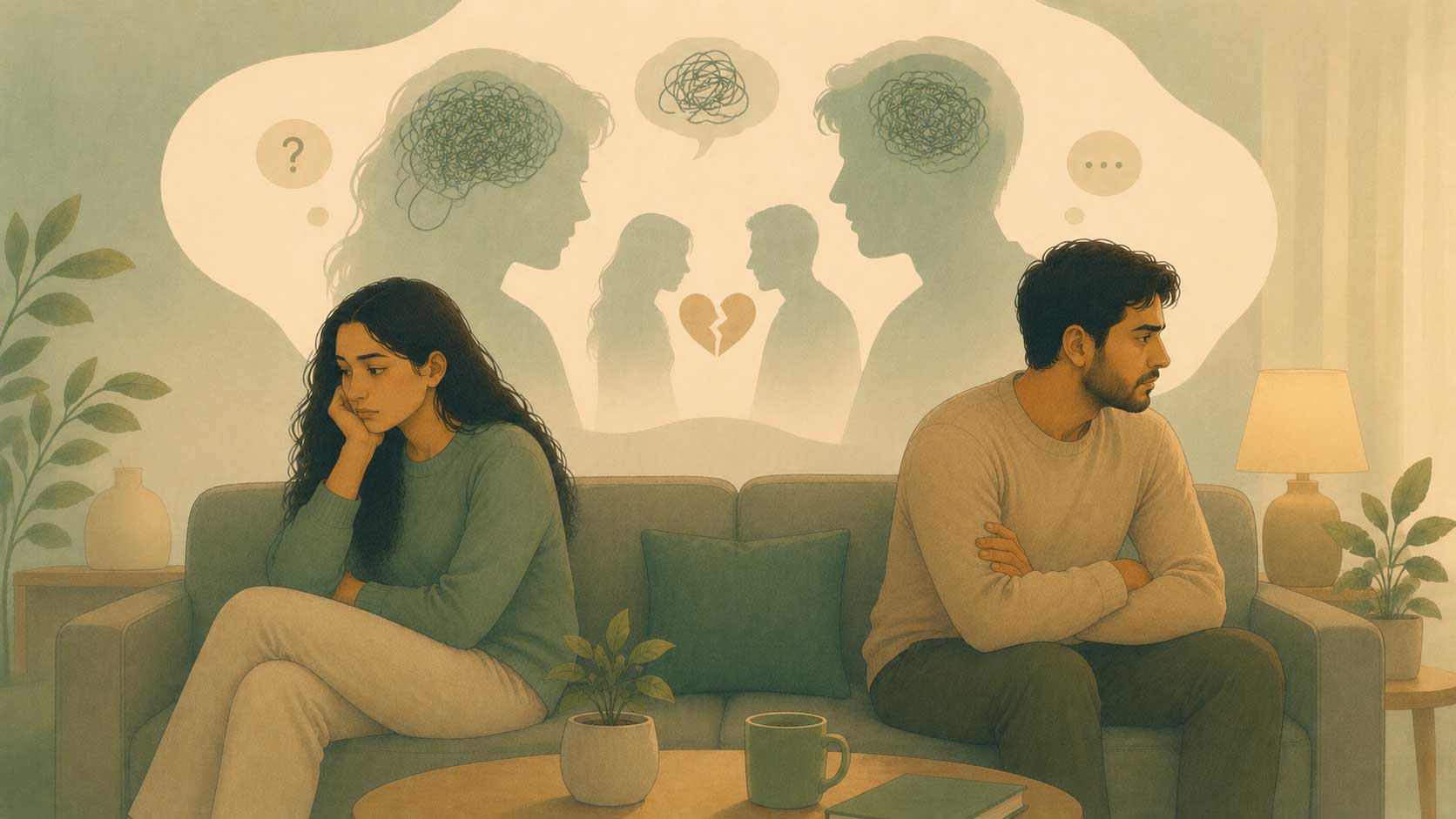
In addition to impacting your day-to-day life and activities, anxiety can significantly affect your relationship(s) as well.
Those who are struggling with anxiety may:
- constantly ask for reassurance from their partners or friends.
- avoid talking about issues that have been bothering them due to fear of conflict.
- withdraw into themselves when they become emotionally overwhelmed by their own thoughts or fears.
- overanalyze everything their partner says or does in an effort to make sense of things (even though most of the time, there's no real need).
- struggle to establish trust or confidence in anything because they're always unsure what will happen next.
These types of behavior can ultimately create misunderstandings and emotional distance within a relationship.
It might be helpful to read the following article as well – Stress vs. Anxiety disorder
Healthy strategies for managing anxiety
Be aware of the types of thoughts that are going through your head and where they’re coming from.
Get better rest.
Getting consistent restful sleep will benefit all aspects of your body and mind.
Exercise regularly.
Exercising regularly will help keep your stress levels down, help you maintain better moods and help regulate how your body responds to stressful situations.
Use mindfulness techniques to help focus on the moment.
Focusing on the here and now will allow you to stop worrying about future events and concerns.
Maintain healthy communication with those who care about you.
Talking through feelings and problems with someone you can trust can greatly reduce feelings of loneliness and isolation.
Consider seeking out professional counseling.
Working with a counselor will allow you to learn how to recognize what triggers your anxiety; work on developing new ways to manage it; and develop new ways of thinking to help you cope with those feelings.
Final Thoughts
While many think that anxiety only has an impact on an individual’s emotional state; in reality it affects so much more including: how we think; our ability to get quality sleep; our concentration; our physical health; our relationships; and our overall quality of life.
Recognizing anxiety at its earliest stages provides us with an opportunity to make positive changes towards achieving an equilibrium of emotionality and improving upon our means of managing anxiety.
Through greater self-awareness; strong, supporting relationships; good habits; and access to proper mental health care; anxiety becomes more manageable over time.
Talk to a Mentor if you feel mentally exhaustedFrequently Asked Questions
Can counseling help you manage your anxiety?
Yes. The goal of counseling is to provide insight into the factors that trigger your anxiety, better ways to cope with it, and a healthier way to respond emotionally.
Can anxiety make relationships difficult?
Yes. Anxiety can result in excessive need for reassurance from others, pulling back from emotional involvement, spending too much time thinking about things that have happened or might happen, and decreased ability to communicate effectively.
Are there signs I should look out for to see if anxiety is affecting my mental health?
If you are experiencing constant worry, an inability to stop thinking about problems or situations (overthinking), reduced ability to focus, increased irritability, being completely exhausted mentally or physically; or simply feeling like you cannot relax — then yes, it is likely that anxiety is negatively impacting your mental health.
Can anxiety produce physical reactions?
Yes. Anxiety may produce feelings of muscle tension, head aches, indigestion/nausea/stomach pain, fatigue, fast heart rate, and/or sleep disturbances.