
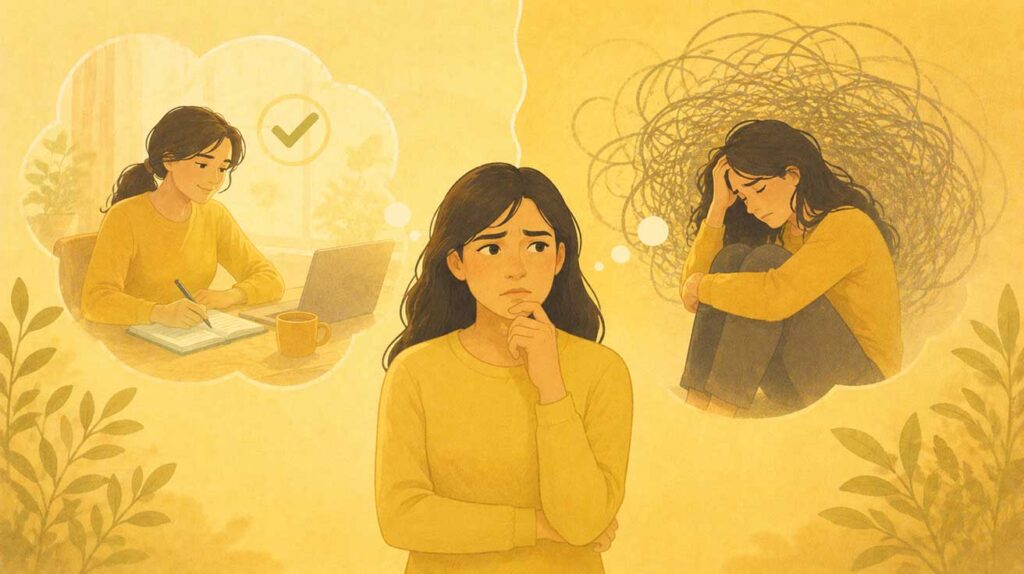
Stress is a universal part of our day-to-day lives. Whether we’re trying to meet looming deadlines, managing personal finances, working through relationship issues, or dealing with unexpected events, we all experience forms of stress. Most of the time, stress will subside once the immediate issue is resolved; however, others will develop significant fears, worries, or emotional responses that seem to linger despite the absence of any direct threat or stressors.
Identifying whether your emotional response to a particular situation is caused by stress or anxiety-related disorder is critical, since many people dismiss early warning signs of emotional distress believing they just need to get more sleep or improve their time management skills.
Being aware of the distinctions between stress and anxiety disorders can provide individuals with access to proper support resources sooner rather than later so as to avoid having the effects of emotional overload begin to disrupt their daily functioning.
Understanding Normal Stress
Stress is the body's reaction to any type of demand or challenge.
When a person encounters a new job opportunity, needs to prepare for a test or exam, is concerned about money or other things financially or must deal with a difficult or uncomfortable conversation, their brain sends out signals for their body to activate the "stress" response. The release of hormones such as cortisol and adrenaline helps a person become more alert and allows them to react quicker to whatever situation they are in.
For short-term use, stress can actually enhance a person's ability to concentrate, motivate themselves and solve problems while under pressure. However, chronic stress or prolonged exposure to high levels of stress is extremely detrimental to a person's well-being.
There are three primary attributes of typical stress:
- The source of the stress is directly related to a particular occurrence.
- Stress generally occurs due to identifiable causes (events or responsibilities).
- Once the original source of the stress is removed, the level of emotional intensity associated with that event typically dissipates.
In addition, although stressful occurrences can make it difficult to carry out daily tasks, most people are able to continue to perform their usual duties.
What Is an Anxiety Disorder
A major distinction between everyday stress or infrequent worry and anxiety disorder is that anxiety disorder involves extreme fearfulness and/or nervousness along with emotional turmoil that persists for extended periods and often appears even when there is no immediate danger present.
Individuals who suffer from an anxiety disorder may continuously feel hypervigilant and restless and/or overly burdened with emotion without being able to identify the reasons behind their feelings.
Depending upon the severity of the emotional distress caused by anxiety disorders, the potential consequences include disturbed sleep patterns, difficulty focusing/concentrating, strained/strained relationships and interference with daily activities. Unlike stress which normally subsides once the immediate source of the stress disappears, anxiety disorder tends to continue even after the immediate source(s) of stress disappear.
Prevalence of Anxiety Disorders in India
Awareness of mental illness in general within India has increased greatly over the last several years; nonetheless, anxiety disorders continue to be poorly understood.
According to the World Health Organization (WHO), India has one of the greatest numbers of individuals world-wide suffering from anxiety disorders.
Studies conducted by researchers using data collected via the National Mental Health Survey of India report that anxiety disorders are among the most prevalent mental illnesses among adults.
Many people continue to disregard their symptoms because they believe that continuing worry is a normal aspect of today's fast-paced life.
The Primary Differences Between Stress and Anxiety Disorder
As previously stated, both stress and anxiety can elicit very similar emotional responses; however, there are distinct psychological differences between stress and anxiety disorders.
Typically stress originates from an identifiable source
Stress generally arises due to identifiable sources of stress including but limited to, work deadlines, academic examinations/tests, etc. Conversely, individuals with anxiety disorders may experience symptoms even if they cannot determine the origin/source.
Generally stress is a relatively short-lived phenomenon
Once the source/stressor has been eliminated/removed, the body typically returns to a baseline/state of relaxation. Conversely, anxiety disorders can endure for months/weeks regardless of external circumstances.
Anxiety disorders tend to have more profound influences on cognitive processes/thinking
Individuals experiencing anxiety disorders often anticipate/dread poor/negative outcomes and/or fantasize/worry about possible worst-case scenarios. These types of thinking patterns often contribute to excessive rumination and subsequent emotional depletion.
Additionally, anxiety disorders may produce physical symptoms
Similar to stress reactions, acute physiological symptoms such as headaches/tiredness may arise from experiencing stress. Conversely, individuals experiencing anxiety disorders may encounter sustained physical symptoms such as rapid heart rate/restlessness/sleep disturbances/muscle tension/difficulty concentrating/excessive nervousness/and other symptoms that may exist irrespective of the presence of environmental stimuli.
Case Study: When Stress Slowly Became Anxiety
Priya, a twenty nine year old marketing professional in Delhi, initially experienced stress related to work deadlines and client expectations.
She believed her emotional discomfort was temporary and assumed it would improve after completing important projects.
However even after work pressure reduced, Priya continued feeling restless and mentally exhausted.
She began worrying excessively about everyday situations such as replying to emails, travelling alone, or making routine decisions.
At night her thoughts became difficult to control. She often imagined negative possibilities even when there was no immediate problem.
Over time these symptoms started affecting her sleep and concentration.
After speaking with a mental health mentor, Priya realized that what began as temporary stress had gradually developed into an anxiety related condition.
Through emotional awareness practices and guided support, she slowly learned how to manage anxious thought patterns and improve emotional balance.
Her experience reflects a common situation where individuals normalize persistent anxiety for long periods before recognizing its impact.
Research On Anxiousness & Pressure (Stress)
Research on anxiety and pressure have both shown a consistent pattern; however, anxiety disorders tend to impact an individual's ability to regulate their emotions as well as their ability to function cognitively as compared to a person experiencing short-term stress.
According to a recent study published in the Journal of Clinical Neuroscience, anxiety disorders are characterized by the continued active state of the fear related neural circuits throughout all situations, regardless of whether the situation is considered threatening or not.
You can read the research here.
Although stress tends to be beneficial for the most part and is generally short-term, anxiety disorders cause continuous emotional activation which can limit an individual's ability to perform everyday tasks as well as negatively affect one's emotional well-being.
Warning Signs of When Temporary Stress Becomes Something More Serious Than Temporal Stress
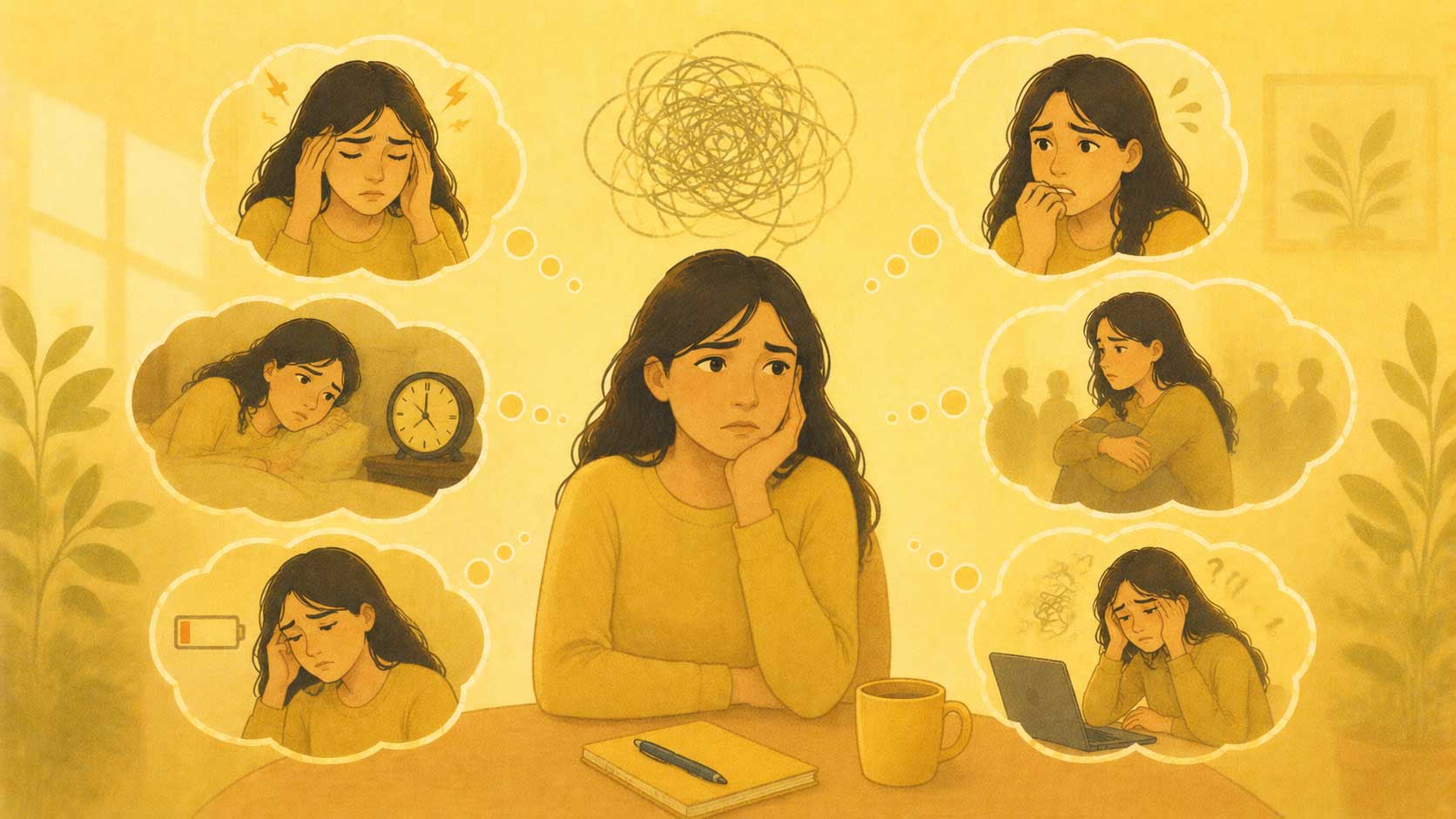
Unfortunately many people will not realize when what was once considered temporary stress begins to develop into something much more serious. Some of the warning signs of this transition include:
- Constant Worry: The mind continually dwells on potential problems even when the individual is in a relatively calm environment.
- Difficulty Relaxing: Even when there is ample opportunity for relaxation, the body continues to feel tense and the mind does not relax.
- Sleep Disturbance: Thoughts continue to race through the mind at night, resulting in difficulty falling asleep.
- Avoidant Behavior: Many individuals will begin to avoid participating in social activities such as traveling, conversing with others, performing certain duties or tasks due to feelings of fear or nervousness.
- Emotional Exhaustion: Ongoing anxiety can lead to extreme mental fatigue.
If emotional exhaustion occurs regularly, you should consider reviewing our other blog post titled “How Chronic Stress Slowly Affects Your Mental Health”
Reasons Why Anxiety Disorders Are Frequently Ignored
Anxiety disorders are typically overlooked for numerous reasons. These include:
- Anxiety Can Appear Functional: Individuals who experience significant amounts of anxiety still continue to work, attend school and manage their responsibilities without revealing their internal struggles.
- Symptoms are Normalized: As a result of societal pressures, people often view excessive worry as being an ordinary aspect of adult life or an indication of how ambitious an individual is.
- Fear of Being Judged: The concern of being stigmatized will often keep individuals from sharing their emotional difficulties publicly.
Healthy Ways to Manage Stress and Anxiety
While occasional stress is unavoidable, emotional awareness and supportive habits can improve mental wellbeing significantly.
Create emotional recovery time
Rest is not only physical. The mind also requires periods of calm and emotional recovery.
Limit constant digital stimulation
Continuous exposure to notifications and social comparison can increase mental tension.
Maintain supportive conversations
Talking openly with trusted people can reduce emotional isolation.
Practice mindfulness or reflection
Mindfulness techniques help the brain stay connected to the present moment rather than future fears.
Seek support early
Professional guidance can help individuals understand emotional patterns before they become overwhelming.
If decision making has become difficult because of anxious thoughts, you may also find value in reading our blog on – How Overthinking Affects Your Decision Making
Why Understanding the Difference Matters
Many people dismiss anxiety disorder because they assume it is simply stress that everyone experiences.
However prolonged anxiety can gradually affect emotional health, confidence, relationships, and daily functioning.
Recognizing the difference allows individuals to respond with awareness instead of self criticism.
Mental health support is most effective when emotional difficulties are addressed early rather than ignored for long periods.
Frequently Asked Questions About Stress and Anxiety Disorder
Will stress always harm your mental health?
No, short-term stress is a typical reaction that enables individuals to be alert and focused while addressing an issue. Issues arise whenever short-term stress becomes chronic and does not allow for emotional resolution.
Do I have stress or anxiety disorders?
Stress typically relates to a particular issue and subsides when the challenge is removed. Anxiety disorder often persists with no apparent issues. In addition to feelings of anxiety, individuals will also frequently exhibit restlessness or excessive worry or difficulty relaxing.
May anxiety disorders cause physical health problems?
Yes. Anxiety disorder may impact both emotional and physical well-being. Symptoms include but are not limited to: headaches; muscle tension; rapid heart rate; tiredness; or inability to fall asleep.
Why do so many people fail to address their anxiety symptoms?
Many individuals think excessive thinking is just a part of growing up or working as an adult. Many others do not discuss emotional concerns due to a fear of being judged by others or a lack of knowledge regarding mental health.
Does high work pressure contribute to the development of anxiety disorder?
Prolonged work-related pressures along with emotional exhaustion and/or poor work-life balance can significantly increase one's chance of developing anxiety related issues, particularly if they remain unaddressed for extended periods.
You might want to check out our blog article on – Depression in Working Professionals: The Silent Struggle
Does constant overthinking increase my anxiety?
Yes. Constant ruminations (i.e., overthinking) along with continually picturing negative outcomes will eventually worsen your levels of anxiety and emotional exhaustion.
Also, we have an article titled – How Overthinking Affects Your Decision Making
At what point would it be beneficial for someone to obtain emotional support?
It could benefit you to get help when the emotional distress you’re feeling is interfering with your ability to sleep, concentrate, form healthy relationships, complete tasks at work, or enjoy other aspects of your day-to-day activities. Getting help earlier in the process typically helps individuals develop better ways to deal with the emotional struggles they're facing.
Could making some lifestyle adjustments reduce anxiety symptoms?
Developing regular sleep patterns; regularly engaging in moderate-intensity exercise; practicing mindfulness; receiving emotional support from loved ones; and decreasing exposure to digital media throughout the day are all strategies which may provide you greater balance emotionally in conjunction with obtaining professional assistance when necessary.
Final Thoughts
While stress is an inevitable aspect of living in this world, anxiety disorders represent continued emotional suffering far beyond the limits of temporary challenges.
Whereas stress usually abates once the individual has overcome the present crisis, anxiety disorder affects your thoughts, feelings and body — regardless of how peaceful your current environment is.
Identifying those distinctions can enable you to realize early signs of the onset of emotional problems and seek relevant emotional support.
Your mental health is deserving of equal consideration as is your physical health. Taking small steps towards recognizing the importance of seeking emotional support can result in substantial, long-lasting positive change.
If you feel mentally exhausted.
Talk to a MindHope Mentor