
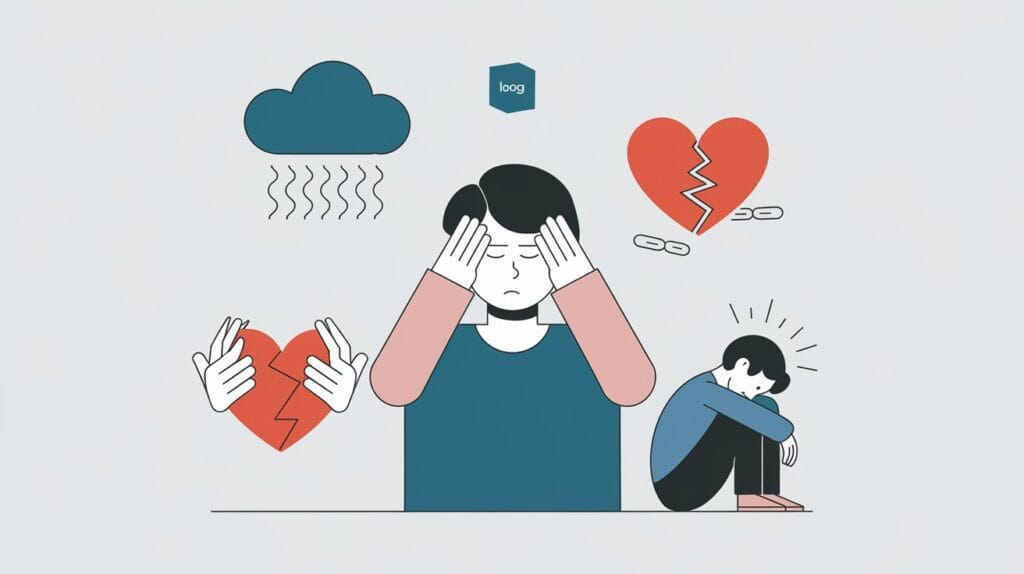
Many emotional struggles do not begin dramatically. They do not announce themselves with a sudden breakdown. Instead, they begin quietly, creeping into the background of your daily routine.
A little overthinking before bed. A constant, unshakeable tiredness. Difficulty sleeping or waking up repeatedly. Feeling emotionally distant from loved ones. Losing interest in the hobbies and activities that used to bring you joy.
Most people ignore these early warning signs because life continues normally on the outside. They are what psychology often refers to as high-functioning. They still go to work, attend important meetings, talk to friends, and manage their household responsibilities.
But internally, something begins changing. The mental load becomes heavier.
If emotional pressure continues for too long without support, awareness, or healthy coping mechanisms, it slowly starts eroding your energy levels, relationships, cognitive focus, self-confidence, and overall emotional stability. This gradual decline is why many mental health problems go completely unnoticed until they begin severely interfering with daily life.
Why People Ignore Emotional Problems
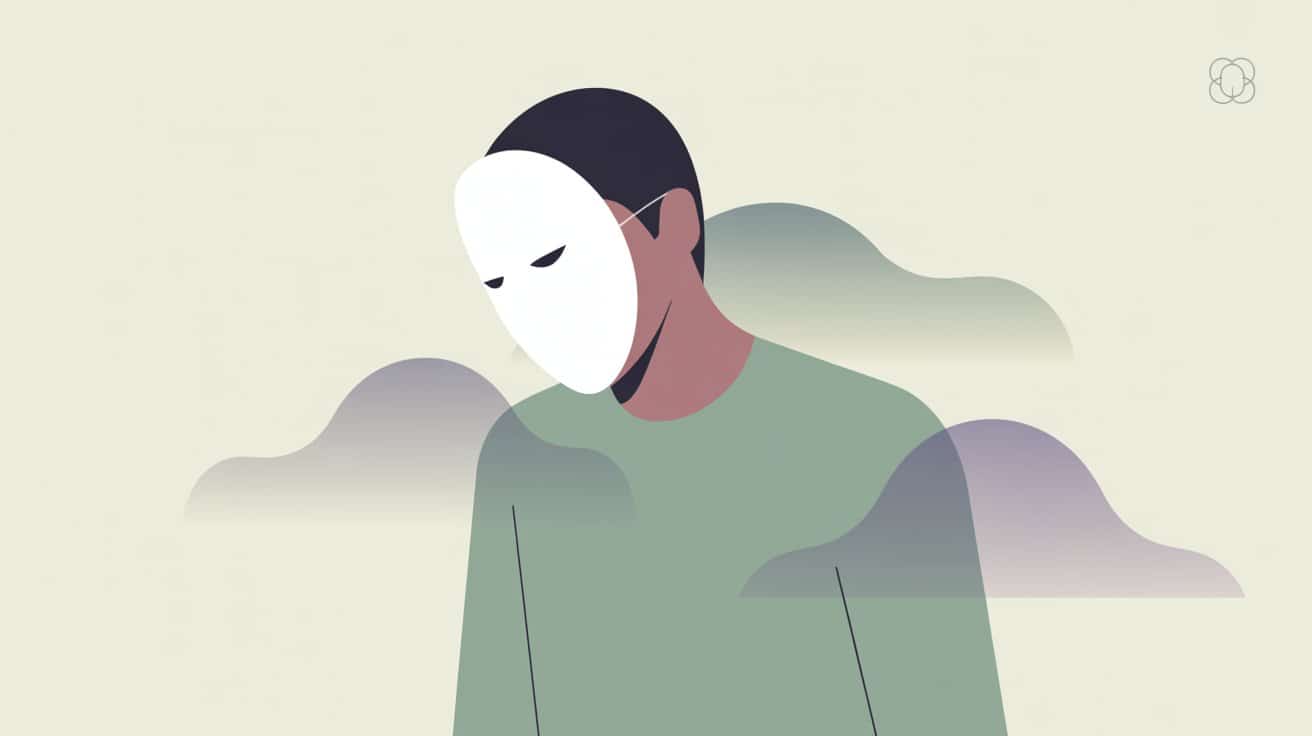
One of the biggest reasons emotional problems grow quietly is because they rarely appear suddenly. Human beings are incredibly resilient. We adapt slowly to emotional pressure, taking on more and more weight over time.
What initially feels uncomfortable or unusual eventually begins feeling “normal.” This is known as stress adaptation.
Many people rationalize their struggles by telling themselves:
- “Everyone feels stressed like this.” (Normalizing the pain)
- “This is just a busy phase, it will pass.” (Delaying the solution)
- “I should be stronger, others have it worse.” (Invalidating their own feelings)
- “It’s not serious enough for therapy.” (Misunderstanding mental health care)
These thoughts act as barriers, delaying self-awareness and professional support. But emotional struggles do not need to become severe clinical crises before they deserve your attention. Early intervention is always easier than deep recovery.
Chronic Stress That Never Fully Goes Away
Stress is arguably the most ignored emotional problem in modern society. We live in a hustle culture that glorifies being busy.
Most people assume stress is a temporary reaction to a specific event. But modern stress often becomes chronic—meaning the nervous system is stuck in a prolonged "fight or flight" state. Common triggers include:
- Relentless work and career pressure
- Ongoing financial anxiety
- Heavy family and caregiving responsibilities
- Information overload from digital media
Over time, unresolved chronic stress manifests physically and mentally, directly affecting:
- Sleep architecture: Causing insomnia or non-restorative sleep.
- Physical health: Leading to tension headaches, digestive issues, and muscle pain.
- Cognitive function: Reducing focus, memory retention, and decision-making skills.
- Emotional regulation: Lowering patience and increasing irritability.
You can learn more in our detailed guide on how chronic stress affects mental health.
If stress is compromising your daily functioning, many individuals find immense relief through structured stress counselling, which provides personalized coping strategies.
Anxiety and the Cycle of Constant Overthinking
Anxiety is rarely visible to the outside world. Someone can look perfectly calm while fighting a mental storm.
For many people, high-functioning anxiety appears as:
- Paralysis by Analysis: Overthinking every small decision.
- Catastrophizing: Constantly worrying about future worst-case scenarios.
- Physical Restlessness: Feeling jittery, experiencing a racing heart, or having difficulty relaxing even during downtime.
- Perfectionism: Driven by a fear of failure rather than a desire for success.
Even when you are safe and nothing dangerous is happening, the anxious mind stays on high alert. This constant cognitive hyperactivity drains emotional reserves rapidly.
Many of our users relate strongly to the psychology behind why anxiety causes overthinking.
To break this cycle, you can explore anxiety counselling for actionable cognitive-behavioral techniques that bring emotional clarity.
Emotional Burnout and Mental Exhaustion
Burnout is vastly different from ordinary tiredness. A weekend of sleep will cure tiredness; it will not cure burnout.
Burnout is a state of emotional, physical, and mental exhaustion caused by excessive and prolonged stress. It occurs when you feel overwhelmed, emotionally drained, and unable to meet constant demands.
The most common warning signs include:
- Deep mental exhaustion: Feeling drained before the day even begins.
- Cynicism and detachment: A growing sense of resentment toward your job, life, or loved ones.
- Reduced personal efficacy: Feeling like nothing you do matters or makes a difference.
- Loss of motivation: Struggling to care about tasks that were once easy.
Many people first recognize these dangerous patterns while reading about:
When Loneliness Becomes Emotional Isolation
Loneliness is heavily misunderstood. It is entirely possible to feel profoundly lonely in a crowded room, or even in a marriage.
Emotional loneliness is not about a lack of people; it is about a lack of connection. It usually develops when:
- You feel deeply misunderstood by those around you.
- Conversations remain superficial and lack emotional depth.
- You feel the need to hide your true self to be accepted.
Prolonged isolation damages self-worth and has been linked to increased risks of depression. The silence of the night often amplifies these feelings.
If this sounds familiar, you may relate to our article on night loneliness and emotional isolation.
Relationship Problems and Emotional Distance
Not all relationship problems manifest as loud, dramatic arguments. Sometimes, the most dangerous relationship issues are completely silent.
Relationships often weaken quietly through:
- Emotional distance: Living like roommates rather than partners.
- Communication breakdowns: Assuming what the other person is thinking instead of asking.
- Unresolved resentment: Letting small hurts build up into a wall of anger.
- Feeling emotionally unheard: Sharing feelings but feeling dismissed or invalidated.
Many couples make the mistake of delaying support until the disconnection becomes severe or a crisis occurs. Early awareness and intervention make repair significantly easier and more successful.
Related reading for couples:
Low Confidence and Pervasive Self-Doubt
Confidence issues are insidious because they are entirely internal. A person can present as highly capable to the outside world while battling crippling self-doubt inside.
People struggling with low self-worth often:
- Experience "Imposter Syndrome," feeling like they are faking their success.
- Fear failure so excessively that they avoid trying new things.
- Constantly compare their behind-the-scenes life to everyone else's highlight reel.
- Apologize for things that are not their fault.
Over time, an unchecked inner critic limits personal growth, career advancement, and relationship satisfaction.
Begin reclaiming your self-worth by exploring the connection between confidence and emotional security.
Understanding Emotional Numbness
One of the most confusing and frightening emotional experiences is numbness (sometimes called emotional blunting or dissociation).
Instead of feeling too much pain, sadness, or anxiety, a person feels almost nothing. It is a psychological defense mechanism. You continue functioning externally—going through the motions of life—while internally feeling hollow, disconnected, or like you are watching your life on a screen.
Emotional numbness almost always develops after long periods of acute stress, trauma, or emotional overload. The brain essentially "shuts off" emotions to protect itself from further pain.
Many people find comfort in understanding they aren't alone by reading why emotional numbness happens and how to thaw it.
Healing Unresolved Emotional Wounds
Time does not heal all wounds; it only buries them. Unprocessed emotional pain from the past doesn't disappear just because we ignore it.
Childhood experiences, past toxic relationships, or sudden grief can quietly shape your present reality. They influence:
- How you navigate current relationships.
- Your ability to trust others (and yourself).
- Your foundational self-confidence.
- Your automatic emotional reactions and triggers.
These unresolved wounds act as an invisible anchor, weighing you down without you realizing it. Acknowledging them is the first step toward healing.
You can explore our deep dive into the common emotional wounds people carry silently.
When Professional Emotional Support Helps
There is a persistent myth that you must be at your absolute breaking point to seek therapy or counseling. This is false.
Seeking support is a proactive sign of self-awareness. It becomes highly valuable when emotional struggles begin:
- Repeating constantly in cyclical patterns.
- Negatively affecting your daily life and productivity.
- Stealing your inherent peace of mind.
- Creating persistent emotional exhaustion.
The goal of emotional support and therapy is not to “fix” a broken person. The goal is to provide a safe, unbiased space to help you understand your mind clearly, unlearn harmful thought patterns, and develop healthier ways to respond to life's challenges.
According to the American Psychological Association, structured emotional support significantly improves coping abilities, mental clarity, and emotional regulation.
MindHope offers compassionate, professional support across multiple emotional wellness areas. See all the categories we help with.
Frequently Asked Questions (FAQs)
What are the most common mental health problems people ignore?
Chronic stress, high-functioning anxiety, emotional burnout, silent loneliness, emotional numbness, and slow-building relationship struggles are the most commonly ignored issues. Because they develop gradually, people often adapt to the discomfort until it severely disrupts their daily life.
How do I know if my daily emotional stress is becoming serious?
Stress is becoming a clinical issue if it consistently affects your sleep patterns, alters your appetite, makes you highly irritable with loved ones, drains your physical energy, or prevents you from focusing on basic tasks. If relaxation techniques no longer work, it is time to seek support.
Is it normal to feel emotionally exhausted for long periods of time?
While long-term emotional exhaustion is sadly common in today's fast-paced world, it is not healthy or "normal." Prolonged exhaustion is a primary indicator of burnout and should be addressed before it leads to deeper depressive states or physical health issues.
When exactly should someone seek professional emotional support?
You do not need a diagnosis to seek therapy. Support becomes beneficial the moment emotional struggles start repeating, when you feel stuck in your thoughts, or when your quality of life, joy, and peace of mind are diminished.
Don't wait until you are running on empty. Many emotional struggles grow quietly before becoming overwhelming. Understanding them early can help you regain mental clarity, emotional balance, and true peace of mind.
Explore How MindHope Can Help You Today